Sealed Boxes and Wax: Why Unopened Product Holds Its Value
July 2, 2026 · 6 min read · By BGLAD
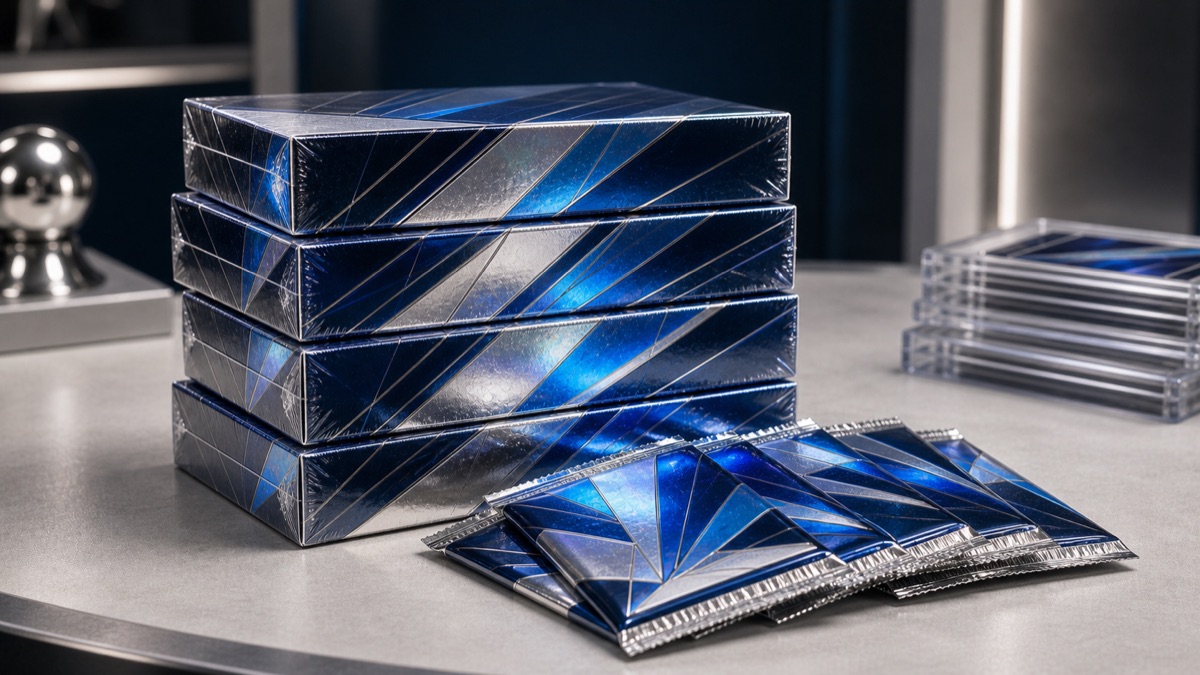
There's a special tension in an unopened box of cards. Inside might be a rookie autograph worth thousands — or a stack of base cards worth lunch money. That unresolved possibility is exactly why sealed product, or wax in hobby slang, has become its own collecting category, with boxes from years past trading for multiples of their original retail price.
Here's how the sealed market works, why unopened boxes tend to appreciate, and the traps that catch newcomers.
Why sealed product gains value
The economics are simple and powerful. Every box that gets ripped open permanently reduces the supply of sealed boxes from that release — and most boxes DO get opened, because opening them is the fun part. Meanwhile, if the release turns out to contain a great rookie class, demand for a chance at those cards grows for years after production stops.
Shrinking supply plus growing demand is the whole story. A sealed box is effectively a basket of every card that might be inside, including the stars nobody knew were stars yet. Collectors call this the optionality of wax: you're holding unopened possibility, and the market prices it.
Hobby vs. retail: know what you're holding
Not all sealed product is created equal, and the label matters enormously:
- Hobby boxes are sold through card shops and carry the best odds — typically guaranteeing one or more autograph or memorabilia hits per box. They are the standard for collecting and investing.
- Retail product (blasters, hanger boxes, mega boxes from big-box stores) has weaker odds and lower hit guarantees, though some retail-exclusive parallels have followings of their own.
- Jumbo/Super boxes and First Off The Line-style premium configurations offer boosted odds and their own premiums.
- Cases — sealed boxes of boxes — are the institutional unit, prized because untouched factory cases are the most tamper-proof form of wax.
The junk wax warning
Sealed does not automatically mean valuable. Boxes from the late-1980s and early-1990s junk wax era were printed in such enormous quantities that most remain cheap decades later, sealed or not. Scarcity is the engine of appreciation — a box only becomes rare if it was scarce to begin with or if the market ripped through the supply.
The same logic applies to modern mass-market product: a heavily printed retail release probably will not become a treasure just because it stayed shut. Ask the same questions you'd ask of a card: how much exists, and who will want it in ten years? For more on how printing history shaped today's market, read The Sports Card Market in 2026.
The risks: resealing, searching, and storage
The sealed market's biggest enemy is fraud. Because value depends entirely on the box being untouched, bad actors reseal boxes after removing the hits, or "search" retail packs by weight to skim the memorabilia cards. Defense is straightforward but non-negotiable:
- Buy from trusted sources — established shops and sellers who stand behind their product, not the cheapest anonymous listing.
- Inspect the seal. Factory shrink-wrap has consistent folds and manufacturer markings; sloppy wrap, re-taped flaps, or aftermarket shrink are red flags.
- Prefer provenance. Product from a sealed factory case, or from a dealer's direct allocation, minimizes the handling chain.
- Store it right. Boxes are cardboard: keep them cool, dry, dark, and stacked carefully — our storage guide applies to wax too.
Rip or hold?
Every wax collector eventually faces the question: open it or keep it sealed? Opening is entertainment plus a lottery ticket; holding is the patient play with historically better expected value for desirable releases. There is no wrong answer — just know which game you're playing before you pay hobby-box prices.
You can browse sealed products currently presented by BGLAD and review the photographs and identifying details supplied with each listing.
Ready to hunt?
Sports cards and collectibles — documented and carefully presented.