Card Show Tips: How to Work a Show
July 9, 2026 · 5 min read · By BGLAD
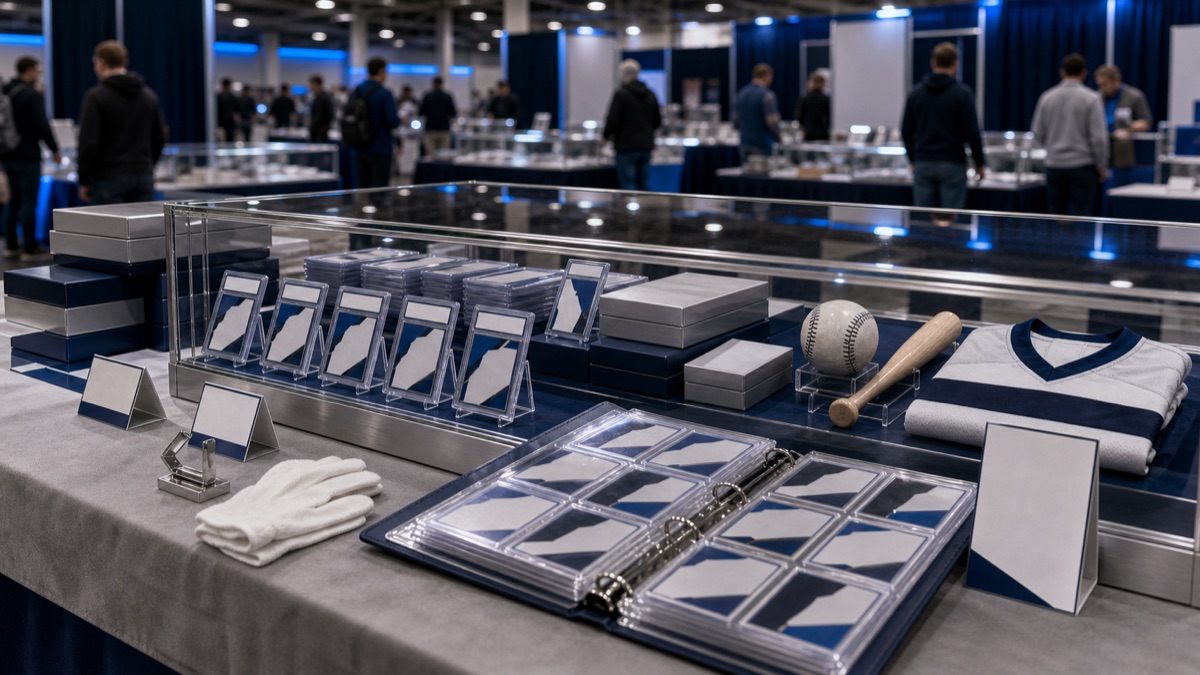
The best card show tips are simple: plan your targets, scan before buying, check comps on the floor, negotiate politely, and keep your budget visible. A show is easier when you treat it like a focused shopping trip instead of a race to the first table.
Card shows can feel loud, crowded, and fast, especially the first time. We want beginners to slow the room down, ask better questions, and leave with cards they are glad they bought after the excitement wears off.
Plan your card show before you walk in
Start with a short want list. It can be a player, team, era, set, grade range, or price range, but it should be specific enough to guide decisions. Without a plan, every showcase looks tempting and every dealer's best card feels urgent.
Set two budgets: a total budget and a single-card comfort limit. The total budget keeps the day in bounds. The single-card limit keeps one emotional purchase from swallowing the whole show. If you are bringing trade cards, decide in advance which ones are truly available and which are not.
Bring basic supplies: sleeves, a small case or box, a microfiber cloth for slab holders, a pen, and a way to track offers. If you are still defining your collecting lane, our card collecting goals guide can help you build a tighter list before the doors open.
- Write your top five targets before the show.
- Know your budget in cash terms, not just a vague maximum.
- Check recent comps for the cards you most want.
- Pack trade cards in a way that lets dealers review them quickly.
- Leave room in the plan for one affordable surprise.
Scanning tables at a sports card show
Do a lap before you spend serious money. The first table may have the card you want, but you need context. A quick scan tells you which dealers carry your sport, which tables are bargain boxes, which cases are high-end, and where similar cards are priced.
Look at how a table is organized. Clean labels, visible prices, and careful handling usually make the conversation easier. Unpriced cards are not automatically bad, but they require more time because every card becomes a negotiation. If you are new, priced inventory helps you learn the room faster.
When a showcase interests you, ask to see one or two cards at a time. Handle raw cards carefully by the edges, keep slabs over the table, and return cards in the same order if possible. Good table manners make dealers more willing to work with you later in the day.
Checking comps on the floor
Floor comps should be quick but disciplined. Search the exact year, set, player, card number, parallel, and grade. Sold listings matter more than asking prices, and the most recent sale is evidence, not the whole answer.
Be careful with weak comps in the middle of a crowded aisle. A different parallel, an auction with poor photos, a bundled lot, or a raw card compared to a graded card can distort your number. If a card is expensive enough to matter, step aside and take the extra minute.
Use comps as a conversation tool, not a weapon. Saying "I am seeing recent sales around this range" works better than shoving a phone across the table. Our guide to how to track sports card prices gives a fuller routine for separating real evidence from noise.
- Match grade and grading company before comparing slabs.
- Match parallel, serial number range, and autograph status.
- Discount raw cards for condition uncertainty.
- Ignore active listings that are far above the sold range.
- Write down your number before you start negotiating.
Negotiating card deals politely
Negotiation at a show should be direct and respectful. Ask the price, inspect the card, check your comp range, then make a clear offer if you want it. Low offers are part of the hobby, but careless lowballing wastes time and can close the conversation.
Bundling can help both sides. A dealer may have more room if you buy several cards, especially from the same box or showcase. Trades can also work, but expect dealers to leave margin because they are taking on resale risk and table costs.
If the dealer says no, do not argue. You can ask whether there is a best price, thank them, and move on. We cover more deal language in negotiating card deals, but the core rule is simple: leave the table in a way that lets you come back later.
Cash, apps, and marketplace comparisons
Cash is still useful at shows because it is fast, visible, and sometimes gives a dealer more flexibility. Payment apps are convenient, especially for larger purchases, but confirm the dealer's preference before assuming. If fees apply, settle that before the handshake.
Keep your cash organized so you know what remains. It is easy to make three small buys and lose track. For bigger cards, write down the agreed price, payment method, dealer name, and any condition notes before you walk away.
Shows are also a good place to compare in-person prices with online inventory. If you want a baseline before or after a show, our marketplace listings can help you see how similar cards are presented, photographed, and priced outside the room.
Common questions about card shows
Should beginners bring trade cards to a show? Yes, but keep the trade box focused. Dealers and collectors are more likely to engage with organized cards than a loose stack with no prices, no sleeves, and no clear direction.
Is it rude to check comps at a table? No, as long as you are polite and do not block the case. Most serious collectors check comps. The issue is attitude, not the phone.
How do you avoid overpaying at a card show? Do a first lap, compare similar tables, check sold comps, and be willing to walk away. If you need online buying habits too, how to buy sports cards online safely uses the same discipline in a different setting.
Ready to hunt?
Sports cards and collectibles — documented and carefully presented.