Crossover Grading Crack Out: When to Resubmit
July 9, 2026 · 5 min read · By BGLAD
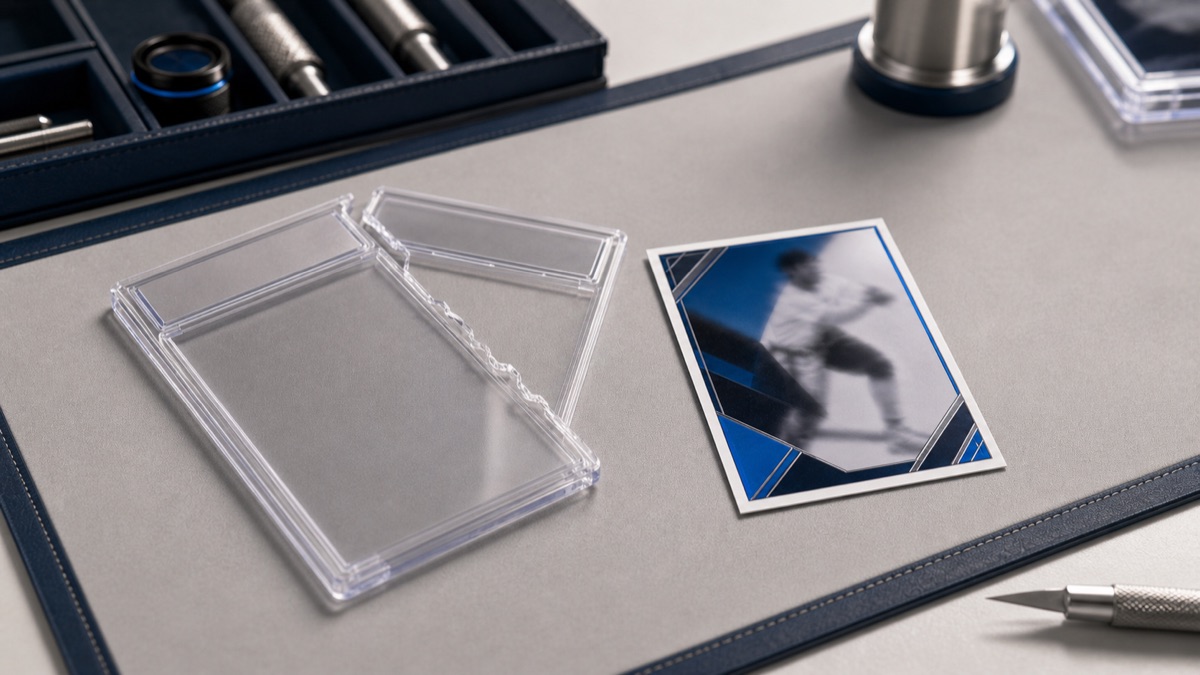
Crossover grading, crack-outs, and regrades are ways to resubmit an already graded card in search of a different holder, a higher grade, or both. They make sense only when the likely value gain is larger than the fees, time, and risk of getting the same or worse result.
We like resubmission when the case is specific and evidence-based. We do not like it when the entire plan is built around hoping a grader sees the card differently.
Crossovers, crack-outs, and regrades defined
A crossover sends a card in its existing slab to another grading company. The receiving company reviews the card through the holder and decides whether it meets the requested grade in the new holder. This path can protect the card from being raw during review, but the holder can also limit what the grader can see.
A crack-out means removing the card from the slab before resubmitting it as raw. That may give the next grader a cleaner look at the card, but it also creates handling risk, eliminates the current certified grade, and can reduce leverage if the new grade disappoints. We do not recommend cracking slabs casually.
A regrade usually means submitting the card back to the same grading company for another review. The exact process and protections vary by company, so read the current rules. Our sports card grading companies guide can help frame the differences before you choose a route.
- Crossover: submit the card in its current slab to another company.
- Crack-out: remove the card and submit it raw.
- Regrade: ask for another review, often with the current grading company.
- Review: a broader term some collectors use for reconsideration or correction services.
When crossover grading math can work
The math starts with the current value, the likely value in the target holder, and the cost of the attempt. A crossover can make sense when the card is clearly stronger than its current market treatment, when the target holder is more liquid for that specific card, or when a minimum-grade request protects you from accepting a worse outcome.
The card still has to justify the move. If the premium between holders is small, fees and shipping can eat the upside. If the current grade already captures the card's condition, a crossover may only add cost. The same grading math from is grading worth it applies again, just with a slabbed card instead of a raw one.
Look closely at the card before you price the dream result. If the holder has glare, scratches, or frosting that hides a surface issue, build that uncertainty into your estimate. A potential grade bump is not the same as a probable grade bump.
When a crack-out might make sense
A crack-out is the highest-risk path because you give up the existing holder. It may make sense when the current slab has a clear mechanical issue, the label is wrong, the card appears undergraded after careful inspection, or the target grade spread is large enough to justify losing the original grade.
Even then, be realistic. Cracking a slab can damage the card if done poorly. Once raw, the card can pick up a corner touch, surface mark, or edge issue before it ever reaches the next grader. The card may also grade lower because the next grader sees a flaw the previous holder did not emphasize.
Subgrades can help you decide whether the risk is logical. A card with strong subgrades and one debatable category may be a better candidate than a card with a vague label and visible flaws. Our card grading subgrades article explains how to read those category clues.
Minimum grade protections and downside risk
Some crossover services allow a minimum grade. That means the card should cross only if it meets or exceeds the grade you selected, though the exact terms depend on the grading company. Minimum-grade protection can keep you from turning a strong current slab into a weaker new one, but it does not make the attempt free or guarantee success.
The main risks are simple: the card does not cross, the card crosses lower than expected, the new holder is less desirable to buyers, the process takes longer than planned, or the card loses a premium tied to its current label. For expensive cards, also consider shipping, insurance, and opportunity cost.
Before resubmitting, compare similar finished graded slabs and ask whether the market actually pays enough for the target outcome. If the spread is thin, keeping the current slab may be the better decision.
- Know the current value before you submit.
- Estimate the realistic target value, not the best possible one.
- Include grading fees, shipping, insurance, and time.
- Decide in advance what result would make the attempt a mistake.
Common questions about regrading sports cards
Can a regrade lower the grade? It can, depending on the process and company rules. Some services include protections, while others may treat the card as a fresh review. Read the current submission terms before assuming the old grade is safe.
Is a crack-out better than a crossover? Not usually. A crack-out may give the card a full raw review, but it also removes the safety of the existing slab. A crossover is often the more controlled first step when the current holder still has value.
Should population reports affect the decision? Yes, but carefully. If one grade higher creates a true pop-top or much scarcer grade, the upside may be larger. Our population report cards guide explains why pop changes can affect premiums without guaranteeing them.
Ready to hunt?
Sports cards and collectibles — documented and carefully presented.