Graded Ticket Stubs: How Ticket Slabbing Works
July 9, 2026 · 5 min read · By BGLAD
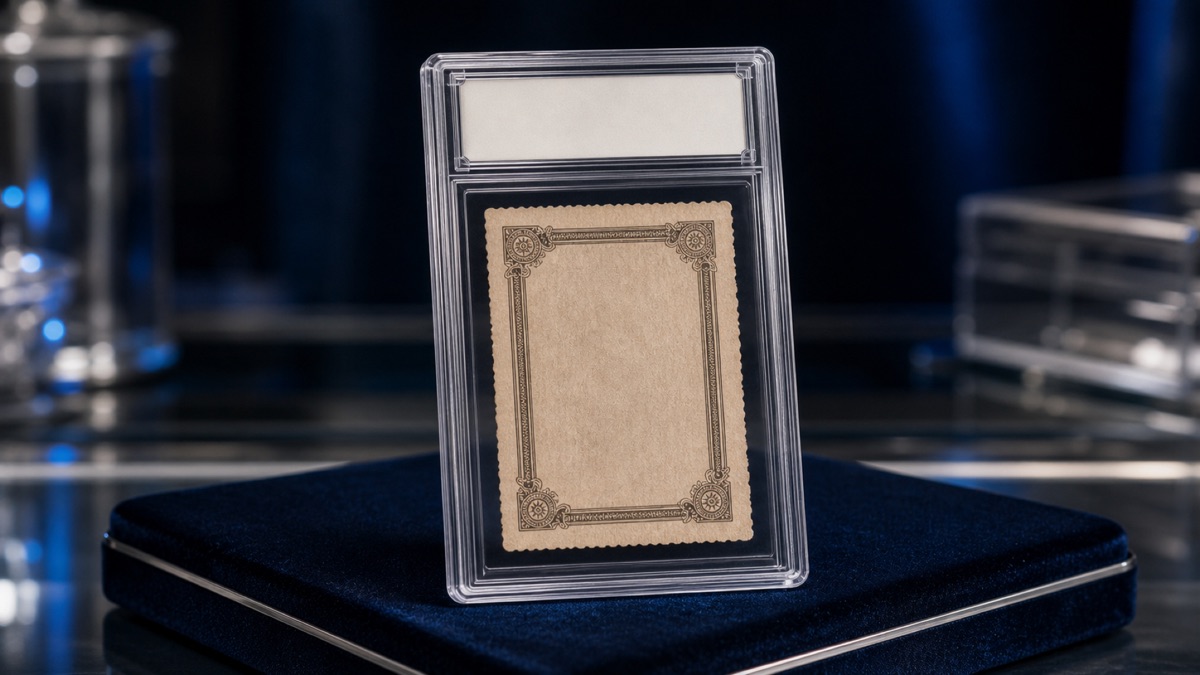
Graded ticket stubs are tickets or stubs authenticated, condition assessed, labeled, and sealed in a holder by a third-party service. Slabbing can make a ticket easier to verify, display, protect, and sell, but it is not necessary for every paper piece.
Tickets are not cards with seat numbers. They are paper artifacts with event context, printing variation, admission use, and sometimes fragile construction, so the grading decision should start with authentication and purpose rather than a hoped-for number.
Who grades ticket stubs and full tickets
Ticket grading is narrower than sports card grading. PSA is the mainstream name most collectors check first for sports ticket authentication and encapsulation, but every service has its own current acceptance rules, size limits, pricing, labels, and categories. Before submitting anything, we confirm that the company is accepting the exact ticket type, not just collectibles in general.
Some signed tickets may also need autograph authentication, and oversized passes, credentials, bound programs, or fragile paper may belong with a specialist rather than a standard ticket slab. The right path depends on what question you need answered: Is it original? Is the signature genuine? Is it complete? Is it safe to encapsulate?
If you are new to third-party holders, our sports card grading companies explained guide covers the broader grading landscape. The ticket-specific decision is similar, but the evidence is different.
- Check accepted formats: full tickets, stubs, season-ticket stock, credentials, and passes may not be treated the same.
- Check dimensions: tickets that are too large, thick, folded, or fragile may be rejected or require a different holder.
- Check autograph needs: a signed ticket may require both ticket authentication and signature authentication.
- Check turnaround and fees: the right service is the one that answers the question without putting too much cost into the wrong item.
How ticket authentication and slabbing work
The process starts with identification. The service compares the ticket to known characteristics for the event and era: printing method, paper stock, typography, team or venue marks, seat layout, dates, disclaimers, numbering, barcodes, perforations, and wear pattern. A genuine ticket should make sense as an object from that event, not just as a piece of paper with the right words.
After authentication, condition is assessed and the ticket is sealed in a holder with a label. The label usually records the event, date or season, teams or participants when applicable, ticket type, and grade or authentication result. That label becomes part of how future buyers understand the item.
Slabbing does not make a questionable story true. If the holder authenticates the ticket but not a specific claim about attendance, player use, or ownership, do not add those claims later. The slab is evidence for what the grading company evaluated, not a blank check for marketing language.
Ticket condition grading is not card grading
Cards are usually judged on centering, corners, edges, surface, print quality, and alterations. Tickets share some of that language, but they also carry event-use issues that cards do not. A torn gate stub, staple hole, fold, seat tear, writing, hole punch, or handling crease may be normal for a used ticket, but it still affects the grade.
For high-grade paper, small flaws can matter. For rare event tickets, authenticity and completeness may matter more than a clean numerical grade. We would rather own a clearly authentic, complete stub from an important game than overpay for a nicer-looking ticket with weak identification or a vague description.
The most important condition question is whether the ticket still tells its story. Date, team, venue, seat, and design elements should be readable enough that the object can stand on its own. Missing information can make research and resale harder, even if the remaining paper looks attractive.
- Perforation and tear quality: rough separation, missing tabs, and clipped edges can change the grade.
- Surface and paper health: stains, fading, brittleness, tape, glue, and writing all matter.
- Completeness: a full ticket, a large stub, and a tiny remnant are different collecting objects.
- Alteration risk: trimming, color touch, backing removal, and repaired tears should be treated seriously.
Display and value effects of graded ticket slabs
A ticket slab can help in three practical ways: it protects the paper from handling, gives the piece a consistent display format, and makes authentication easier for the next person. That matters for iconic games, expensive stubs, signed tickets, and tickets that will be bought or sold outside a trusted local relationship.
The value effect depends on the ticket. For a heavily collected event, a recognized holder can widen the buyer pool because collectors can compare examples more easily. For a common ticket with modest demand, the grading fee may not come back in resale. The same math applies to cards, which is why our is grading worth it article is useful before sending paper out.
If you like the look and protection of slabs, compare tickets with other graded slabs and decide whether the holder improves how you enjoy the item. Display value counts too, especially when the ticket is part of a wall, shelf, or desk setup.
Common questions about graded ticket stubs
Should every valuable ticket be graded? No. Some collectors prefer raw paper in archival sleeves, and some pieces are too fragile or unusual for standard holders. Grade when authentication, protection, display, or future sale justifies the cost.
Can a stub grade higher than a full ticket? They are different formats, so compare within the right lane. A clean stub may receive a strong grade for what it is, but a full ticket usually has a separate desirability advantage because it is complete.
Does a slab prove someone attended the game? Usually no. A slab can authenticate the ticket or stub. It does not prove who used it unless the provenance separately supports that claim. For broader collecting context, see our ticket stub collecting guide.
Ready to hunt?
Sports cards and collectibles — documented and carefully presented.