Ticket Stub Collecting: Full Tickets, Stubs, Digital Scarcity
July 9, 2026 · 6 min read · By BGLAD
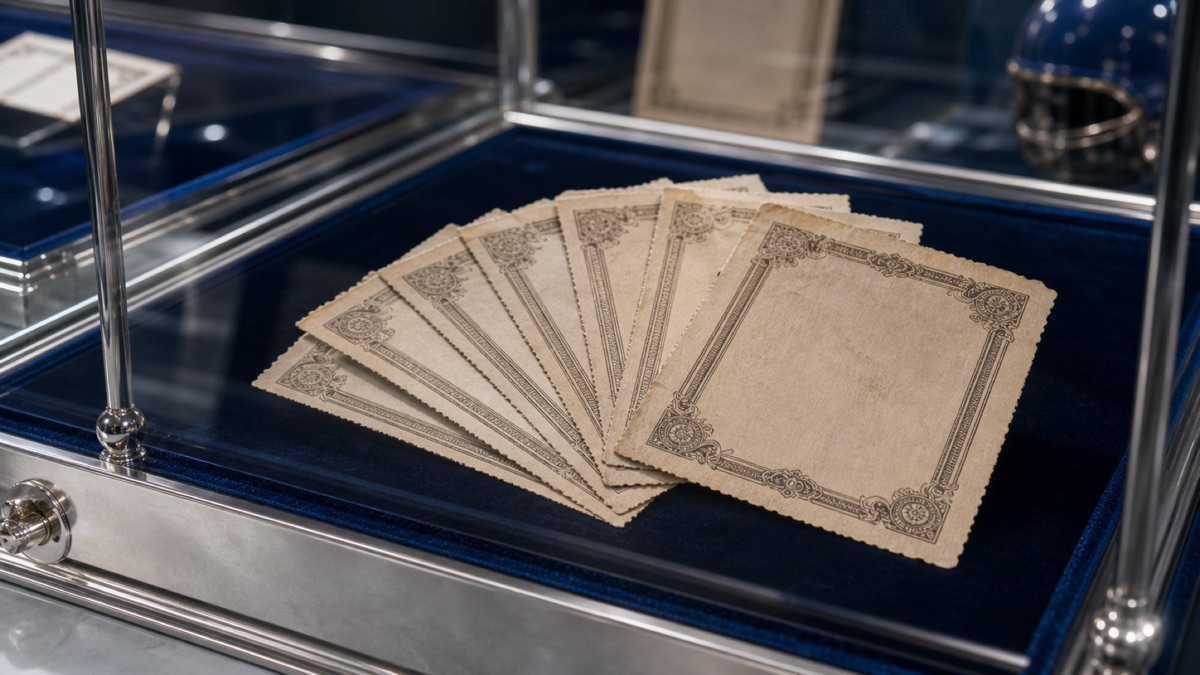
Ticket stub collecting is the hobby of saving, buying, and studying physical admission pieces from games and events, especially when the ticket connects to a memorable moment. Full tickets, torn stubs, season-ticket stock, credentials, and modern commemorative tickets all collect differently.
We like tickets because they sit between paper memorabilia and personal memory. A card shows the athlete; a ticket can place a person in the building, on a date, for a specific game.
Why sports ticket stubs became collectible
For decades, tickets were mostly disposable. Fans used them to get through the gate, stuffed them in a pocket, taped them into scrapbooks, or threw them away. That everyday use is exactly why surviving examples became interesting. A ticket is small, dated, and specific. It can mark a debut, final game, championship, record, rivalry, stadium opening, or a personal family memory.
The collecting appeal is not only nostalgia. Tickets also have research value. They can show pricing, seating, sponsor design, venue names, printing styles, league branding, and how a team presented itself to fans at the time. For collectors who already enjoy programs, photographs, and paper ephemera, tickets are a compact way to collect moments.
If you are building a broader paper collection, pair this with our vintage sports memorabilia guide. If you care most about protecting and presenting pieces, our guide to displaying a collection at home will help you avoid the common storage mistakes.
Full ticket vs ticket stub value
A full ticket is usually more desirable than a torn stub because it remains complete. It often has the full design, seat information, terms, sponsor marks, and printing details. For many iconic games, a clean full ticket is the premium format because fewer survived unused.
A stub still matters. In many eras, most tickets that survived are stubs because that is what fans took home. A stub can be the right piece for a collector who wants a real used admission artifact rather than an unused remainder. The key is to evaluate the stub for completeness of the important information: event, date, opponent, venue, section, and visual identity.
Do not assume unused is always better for your collection. A full unused ticket may have stronger market demand, but a used stub may carry the memory more directly. We ask what the collector is trying to build: a condition-focused run, a player milestone set, a stadium history project, or a family archive.
- Full tickets: stronger design appeal, easier to display, often preferred for high-end examples.
- Torn stubs: authentic attendance feel, often more affordable, but condition and missing information matter.
- Season-ticket stock: can be attractive and consistent across a run, but confirm the specific game and date.
- Commemorative reprints: fine as keepsakes, but they should not be priced or described like original admission tickets.
Iconic game tickets are moment pieces
The strongest tickets usually connect to a moment collectors already understand. That might be a championship game, a debut, a final appearance, a record-setting performance, a famous rivalry, or the first or last event at a venue. The ticket is valuable because it gives the moment a physical form.
When evaluating an iconic-game ticket, we verify the event first. Date, venue, opponent, seat location, game number, and ticket design should all make sense together. A mismatch does not always mean a fake, because teams used different formats and ticketing practices, but it does mean the piece needs more research before we treat it as a premium item.
Collectors should also separate event importance from player importance. A ticket tied to a great player can be collectible even if the game itself was ordinary. A ticket tied to a historic team event can be collectible even without one central player. The best examples often have both.
Digital ticketing created a paper supply cliff
Modern ticketing changed the supply picture. As mobile entry replaced printed admission in many venues, fewer fans received traditional paper tickets. Some teams still produce commemorative stock, season-ticket packages, or special printed pieces, but the default experience for many events is now digital.
That does not automatically make every recent paper ticket valuable. Scarcity still needs demand. But it does mean future collectors may have fewer original paper artifacts from certain games than earlier generations had. The modern collector should save clean physical tickets, team-issued commemoratives, lanyards, credentials, and paper programs when they are tied to events they truly care about.
When buying modern tickets, be precise. A print-at-home sheet, a box-office hard ticket, a season-ticket booklet piece, and a post-event commemorative are different things. If the listing language is vague, ask for photos of the front, back, edges, and any serial, barcode, or seat details before deciding.
How to buy and protect collectible ticket stubs
Paper rewards patience. Buy the ticket, not just the headline. A clean, centered, complete example with readable details is usually easier to enjoy than a heavily creased example of the same event. For rare moments, you may accept flaws, but those flaws should be visible in the price and description.
We like comparing raw tickets against authenticated or slabbed examples when possible, especially for expensive pieces. Our graded tickets explained article covers when slabbing helps. For available paper pieces and other collectibles, you can also review our marketplace listings with the same checklist in mind.
- Confirm the event: match date, opponent, venue, and ticket format.
- Check completeness: missing corners, heavy tears, and clipped sections can remove key information.
- Avoid pressure: rare does not mean you should skip authentication or condition review.
- Store flat: use archival sleeves, backing boards, and dark storage when the ticket is not on display.
Common questions about ticket stub collecting
Are ticket stubs worth collecting if they are not graded? Yes. Many excellent collections are raw. Grading helps most when authentication, resale confidence, or display consistency matters.
Should you collect by team, player, stadium, or event? Pick the lane you will keep enjoying. Team and stadium runs create structure, player milestones create focus, and iconic events give you fewer but more researched targets.
Do digital tickets have collectible value? Usually the collectible object is not the digital barcode itself but any physical item tied to the event: commemorative stock, printed receipt, credential, program, or team-issued keepsake.
Ready to hunt?
Sports cards and collectibles — documented and carefully presented.