Player PC Personal Collection: How to Build One
July 9, 2026 · 6 min read · By BGLAD
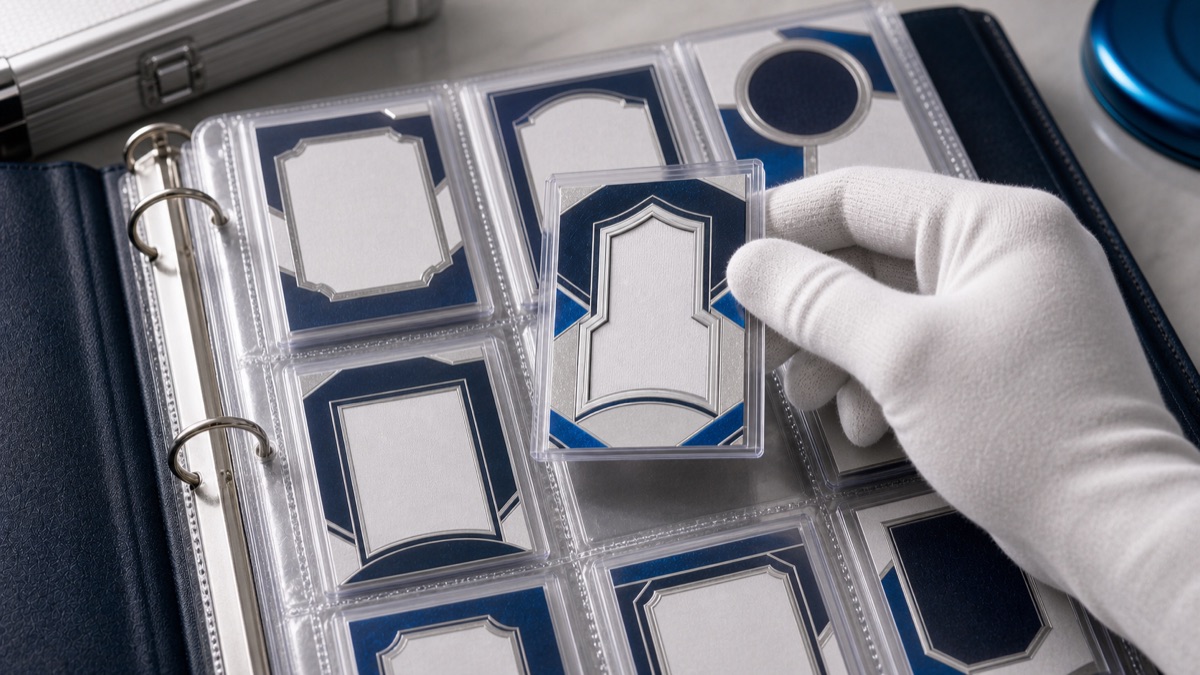
A player PC personal collection is a focused group of cards, memorabilia, or related items built around one athlete because you actually enjoy collecting them. The best player PCs have clear boundaries, a realistic budget, and enough flexibility to stay fun after the first burst of buying.
A PC can be as simple as one binder page of favorite cards or as deep as a multi-year chase for rookies, parallels, autographs, and oddball releases. The point is not to own everything. The point is to build something that still feels like yours six months from now.
Choose a player PC around interest, not noise
Start with the player before you start with the cards. Ask why you want this athlete in your collection. Maybe you watched them growing up, follow their team, like their playing style, collect your hometown, or enjoy a specific era. Those reasons tend to hold up better than chasing whoever is trending this week.
It is fine if value matters to you, but value should not be the only reason for a player PC. Player markets can swing with injuries, team changes, performance, supply, and collector attention. If the only thing you like is the price chart, the collection can turn stressful fast.
- Long-term interest: would you still enjoy sorting these cards if the market cooled off?
- Checklist size: does the player have a manageable number of cards, or decades of releases?
- Budget fit: can you buy meaningful cards without stretching for every target?
- Availability: are the cards findable, or will the PC be mostly waiting and watching?
- Personal connection: does the player connect to your team, family, memory, city, or collecting taste?
Define the scope: rookies, rainbows, autos, or everything
Scope is the difference between a focused PC and a pile that keeps expanding without a plan. Before buying heavily, write down what counts and what does not. This does not need to be permanent, but it gives you a way to say no when the search results get noisy.
A rookie-only PC focuses on first-year cards and keeps the collection compact. A rainbow chases multiple parallels of the same card, often from base through rarer colors or numbered versions. An autograph PC focuses on certified or authenticated signatures. A type-card PC might aim for one good example from each major release, brand, or card style.
For help with the vocabulary behind rainbows, inserts, and serial numbering, use our guide to card parallels explained. If rookies are your main lane, our article on why rookie cards matter can help you decide which rookie cards actually belong.
- Rookie-only: compact, clear, and easier to track.
- One card per set: good for long careers and binder-friendly collecting.
- Rainbow chase: satisfying for collectors who enjoy visual progress, but harder at the rare end.
- Autos and relics: fewer cards, higher average cost, more authentication questions.
- Everything PC: fun for a favorite player, but only manageable when the checklist is small or the budget is relaxed.
Build a budget for a player collection
A PC budget should include more than the purchase price. Shipping, supplies, grading, display, taxes, and the occasional mistake all count. A simple monthly cap works better than trying to price the entire project at once, especially if the player has a deep checklist.
We like splitting targets into three groups: easy pickups, planned upgrades, and stretch cards. Easy pickups keep the PC moving without much stress. Planned upgrades are cards you wait for in the right condition or price range. Stretch cards are the ones you acknowledge without letting them control the whole collection.
- Set a monthly ceiling: decide what you can spend before listings start pulling you in.
- Leave room for supplies: penny sleeves, top loaders, team bags, binders, one-touches, and boxes protect the money already spent.
- Price from sold comps: compare completed sales, not only current asking prices.
- Avoid forced upgrades: replacing every raw card with a slab can drain a PC budget quickly.
- Keep a reserve: the best target often appears right after several smaller purchases.
Plan the hunt with checklists and saved searches
A good player PC has a tracking system. It can be a spreadsheet, a note app, a printed checklist, or a binder page with empty slots. What matters is that you know what you own, what you want, what you passed on, and what you are willing to pay.
Use manufacturer checklists, set checklists, and sold listings to build your want list. Save searches with the player's name, set year, card number, parallel name, and common misspellings. Check photos carefully before buying, especially for raw cards. If condition matters, compare the listing to our sports card condition basics guide before you make the offer.
When you want to compare available singles, graded cards, or inventory across categories, our marketplace listings can be a natural stop in the search. The key is to hunt deliberately instead of buying every card that appears.
- Own list: cards already in the PC, with notes on condition and storage.
- Want list: targets ranked by priority, not just by rarity.
- Watch list: cards you like but are waiting on for price, grade, or better photos.
- Pass list: cards you intentionally skipped so you do not second-guess the same listing later.
- Upgrade list: cards you own but would replace with a cleaner copy or better format.
Know when to pause, prune, or stop
The healthiest PCs have stopping points. That does not mean the collection is over forever. It means you have a way to recognize when the current version is complete enough. Without that, a player PC can become a permanent open tab in your brain.
Pause when you are buying out of boredom, chasing every new parallel, or ignoring cards you already own. Prune when the scope has changed and certain cards no longer fit. Stop a defined chase when the remaining targets are too scarce, too expensive, or no longer worth the attention they require.
- Binder page complete: nine or eighteen cards that show the story well.
- Rookie run complete: the rookie cards you actually wanted are in hand.
- Rainbow realistic end: you have the available tiers you enjoy, even if the impossible cards stay missing.
- Budget signal: the next card would require money better used elsewhere.
- Interest signal: sorting the PC feels like an obligation instead of a collection.
Common questions about building a player PC
Should a player PC include graded cards? It can, but it does not have to. Slabs make sense for important cards, condition-sensitive cards, or display pieces. Raw cards often make more sense for binders, lower-cost pickups, and large checklists.
Is it better to collect one player or one team? One player is usually more focused and easier to define. One team gives you more variety and can stay interesting when one player's checklist gets too expensive or too hard to find.
What if the player gets traded or retires? That is exactly why personal connection matters. If the PC was built only around hype, the interest may fade. If it was built around your collecting taste, a trade or retirement may simply become another chapter.
Ready to hunt?
Sports cards and collectibles — documented and carefully presented.