Serial Numbered Cards Explained: /99, /25, 1/1
July 9, 2026 · 6 min read · By BGLAD
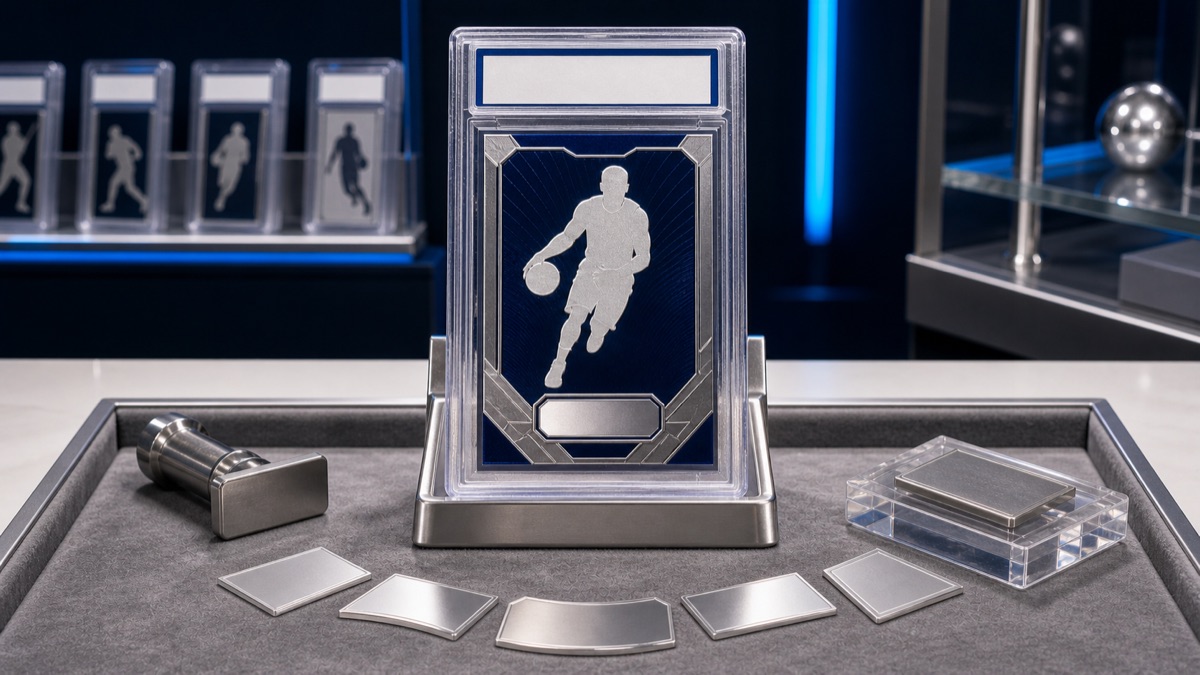
Serial numbered cards are cards marked with a fraction like 14/99, where the first number identifies that individual copy and the second number states the print run for that version. The lower the second number, the scarcer that version usually is, but scarcity only matters when collectors also care about the player, set, condition, and design.
Numbering can make a card easier to understand, but it can also create extra noise. Collectors talk about jersey-number matches, first and last serial numbers, color tiers, and eBay 1/1 claims, so it helps to separate real production facts from marketing language.
What /99, /25, and other serial numbers mean
A card stamped 14/99 is copy 14 from a stated run of 99 for that exact version. It does not mean only fourteen exist. It does not mean every other version of the card is limited to 99. It means the manufacturer intended that parallel, insert, autograph, relic, or special version to have 99 serial-numbered copies.
The same player may have a base card, an unnumbered silver parallel, a red /199, a blue /99, a gold /10, and a 1/1, depending on the product. Those are related cards, but they are not the same card for checklist, pricing, or collection purposes. If you are still sorting the vocabulary, our guide to card parallels explained is the better starting point.
- First number: the individual copy number inside the run.
- Second number: the stated print run for that version.
- Parallel name: the color, finish, pattern, or treatment that identifies the version.
- Card number: the checklist number, which is separate from the serial stamp.
- Product format: hobby, retail, online, or event releases may have different parallel ladders.
Rarity tiers and collector psychology
Serial numbering creates a clean rarity ladder, and collectors naturally react to ladders. A /499 may feel common next to a /25. A /10 may feel special even before the player is considered. That psychology is real, but it can be overdone. A low-numbered card of a lightly collected player can still be hard to sell, while a higher-numbered rookie from a popular set can have deeper demand.
We like to treat print run as one input, not the verdict. Ask what the card is, who wants it, whether it is attractive, how condition-sensitive it is, and how often comparable copies actually trade. For the broader value picture, read what drives a sports card's value before paying a premium just because the stamp is low.
- High-numbered parallels: often easier to find and useful for set or player collectors.
- Mid-tier numbering: cards like /99 or /75 often feel scarce without being impossible.
- Low-numbered cards: /25, /10, and /5 can attract focused collectors, but comps may be thin.
- 1/1 cards: unique versions, but demand still depends on the card itself.
- Unnumbered short prints: sometimes scarcer or more desirable than numbered cards, depending on the product.
Jersey number cards, bookends, and serial premiums
A jersey-number serial is a card where the first number matches the player's uniform number, such as 23/99 for a player known for wearing 23. Some collectors love these because the serial number feels personalized. Others do not care. That means the premium is preference-driven, not automatic.
Bookends work the same way. Copy 1/99 is the first serial in the run, and 99/99 is the last. Sellers may call these first print, last print, or bookend copies. They can be fun, and they may matter to the right buyer, but they are not a different manufacturer-issued version unless the checklist says so.
When we price these in the shop, we ask how many real collectors are likely to care. Jersey-number premiums make the most sense for popular players, iconic jersey numbers, clean designs, and cards that already have demand. For a random parallel, the special serial may be more conversation piece than price changer.
True 1/1 cards versus eBay 1/1 claims
A true 1/1 card is produced and identified as the only copy of that exact version. It may have a 1/1 stamp, a unique parallel treatment, a printing plate label, a one-of-one checklist listing, or another product-specific marker. The key is that the uniqueness comes from the manufacturer or the authenticated item, not from a seller's wording.
An eBay 1/1 is a hobby phrase sellers use when a card has some numerically interesting trait. Examples include 1/99, 99/99, a jersey-number match, a reversed serial, or a number that lines up with a date or statistic. That can be entertaining, but it is not the same thing as a true one-of-one.
If a listing uses 1/1 language, slow down and inspect the photos. Look for the actual serial stamp, the parallel name, the card number, and the checklist. Our marketplace listings are a good place to compare how real card descriptions handle serial numbers without making the title do all the work.
- True 1/1: the card version itself is intended to have one copy.
- Printing plate: often marked one-of-one, but collected differently than pack-issued color parallels.
- Jersey-number match: a desirable serial to some collectors, not a separate print run.
- Bookend: first or last serial in the run, not automatically a true 1/1.
- Listing phrase: seller language should never replace checklist confirmation.
How to evaluate a serial numbered card
Start by identifying the exact card. Year, brand, set, player, card number, parallel name, and serial number all matter. Then check condition. A low-numbered card can still have soft corners, print lines, edge issues, or centering problems that limit its appeal.
Next, compare relevant sales without forcing bad comps. A gold /10 is not the same as a red /199. A true rookie parallel is not the same as a later-year insert. If exact comps are missing, compare nearby versions carefully and leave room for uncertainty. Thin data should make you more patient, not more confident.
- Identify the version: do not price a card until the parallel is confirmed.
- Inspect the condition: rarity does not erase physical flaws.
- Compare like with like: use the same player, set, year, and parallel when possible.
- Separate demand from scarcity: rare and wanted are different things.
- Decide your lane: buy for the card you want, not only the fraction on the stamp.
Common questions about serial numbered cards
Are lower-numbered cards always worth more? Usually they are scarcer, but they are not always worth more in practice. Player demand, set popularity, design, condition, and liquidity can outweigh the serial number.
Is 1/1 always the best version? Not for every collector. Some collectors prefer a flagship rookie, a popular color match, or a clean autograph over a plate or obscure one-of-one. The best version depends on the collecting goal.
Should beginners chase low serial numbers? Only with a budget and a reason. Low-numbered cards are fun, but they can pull attention away from better-fitting cards if the fraction becomes the whole decision.
Ready to hunt?
Sports cards and collectibles — documented and carefully presented.