Sell Cards on eBay: Practical Sports Card Tips
July 9, 2026 · 5 min read · By BGLAD
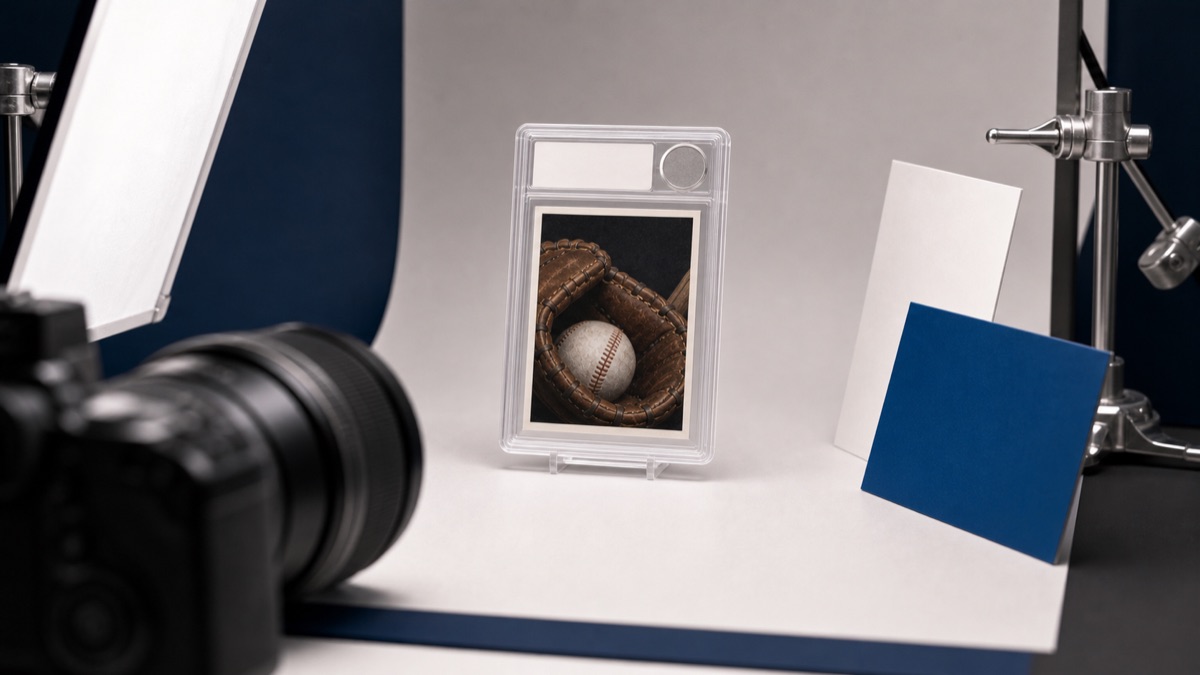
To sell cards on eBay well, make the listing easy to trust: clear photos, accurate titles, honest condition notes, sensible pricing, and reliable shipping. Buyers cannot hold the card, so your job is to remove as much uncertainty as possible.
We treat eBay as a process, not a guessing game. The sellers who last are usually the ones who describe cards consistently, answer questions calmly, and understand the difference between asking for top dollar and earning buyer confidence.
Build sports card listings buyers can trust
A good listing starts with the exact card, not a sales pitch. Identify the year, brand, set, player, card number, parallel, autograph status, relic status, serial number if shown, and grade if the card is slabbed. If any of those details are uncertain, slow down and verify before publishing.
Do not hide condition behind vague words. Raw cards need honest notes about corners, edges, surface, centering, print lines, dimples, soft corners, wax stains, or anything else visible. You do not have to grade the card yourself, but you should describe what the buyer can reasonably see.
For sellers still choosing a channel, our consignment vs selling outright guide helps compare the work of doing it yourself with the simplicity of handing cards to someone else. eBay gives control, but that control comes with tasks.
- Confirm the exact card before writing the title.
- Describe visible flaws without turning the listing into a debate.
- Show front, back, corners, and any issue areas in photos.
- State what is included: card only, slab, original redemption, or other extras.
- Keep communication inside the platform when possible.
Use sports card photos that answer condition questions
Photos carry most of the trust in an online card sale. Use clean lighting, a neutral background, and sharp focus. Photograph the full front and back straight on, then add close-ups for higher-value raw cards, autographs, serial numbers, corners, or surface issues.
Avoid filters, heavy glare, and angles that make flaws disappear. A photo that makes the card look better than it is may win a click, but it can create returns, messages, and unhappy buyers later. We would rather underpromise slightly and ship a card that matches the listing.
Slabs need photos too. Show the whole holder, label, card, and any holder scratches that might be confused for card damage. If you are comparing raw and graded value before listing, graded vs raw price gaps explains why the holder changes the buyer's risk calculation.
Write eBay card titles with searchable keywords
The title should help the right buyer find the card. Put the most searchable facts first: player, year, set, card number, parallel, rookie designation if accurate, autograph, relic, serial number, and grade. Use the words collectors actually search, but do not stuff the title with claims the card cannot support.
Be especially careful with rookie language. A card can be early without being the main rookie card collectors are chasing. If you are unsure, check the checklist and compare how the card is labeled across reliable sources. Our rookie card designations article is useful before using RC language loosely.
Item specifics and categories matter too. They are not exciting, but they help search and filtering. The buyer who wants only graded cards, only autographs, or only a certain sport may never see your listing if the structured fields are sloppy.
- Lead with player name and card identity, not adjectives.
- Use the exact set and card number when known.
- Include grade and grading company for slabs.
- Include serial numbering only when it is printed on the card.
- Avoid keyword stuffing with unrelated players, teams, or sets.
Set offers and pricing with a plan
Before listing, decide whether you want a fixed price, auction, or fixed price with offers. Auctions can work when demand is broad and timing is good. Fixed price gives more control when the card is less liquid, harder to comp, or something you are not in a hurry to move.
Offers are useful when you know your floor. Set a number you would accept, a number you would counter, and a number you will ignore. Without that plan, every offer feels personal. It is not personal; it is a buyer testing the market.
Use sold comps, not only active listings. Active listings show competition. Sold listings show what buyers have actually paid. Our how to track sports card prices guide gives a repeatable way to build a price range before you turn on offers.
Handle returns, shipping, and buyer messages consistently
Returns are easier to manage when the listing was honest from the start. Keep photos, shipment records, and messages organized. If a buyer asks a fair question, answer directly. If they ask for a discount because of something already shown and described, stay polite and decide based on your policy.
Shipping is part of the product. Pack the card the same way every time so buyers are not surprised. For most singles, our ship sports cards safely article covers the sleeve, holder, team bag, mailer, and upgrade decisions we use as a baseline.
If you would rather move cards without managing listings, offers, packing, and return messages, our sell and consign page explains how we think about intake and selling options. Convenience has value when your time is the limiting factor.
Common questions about selling cards on eBay
Is it better to auction or use buy it now? It depends on demand and urgency. Broad-demand cards can do well at auction when buyers are active. Niche cards often need fixed-price patience because the right buyer may not be watching during one short window.
Should you accept low offers? A low offer is not an insult by itself. Check the buyer, the card's liquidity, your cost basis, and your other options. If the offer is below your floor, counter once or decline cleanly.
How do you reduce returns? Photograph clearly, describe condition honestly, pack consistently, and avoid exaggerated titles. You cannot prevent every return, but you can prevent many of the returns caused by surprise.
Ready to hunt?
Sports cards and collectibles — documented and carefully presented.