Game Used Bats: The Collector's Guide
July 9, 2026 · 6 min read · By BGLAD
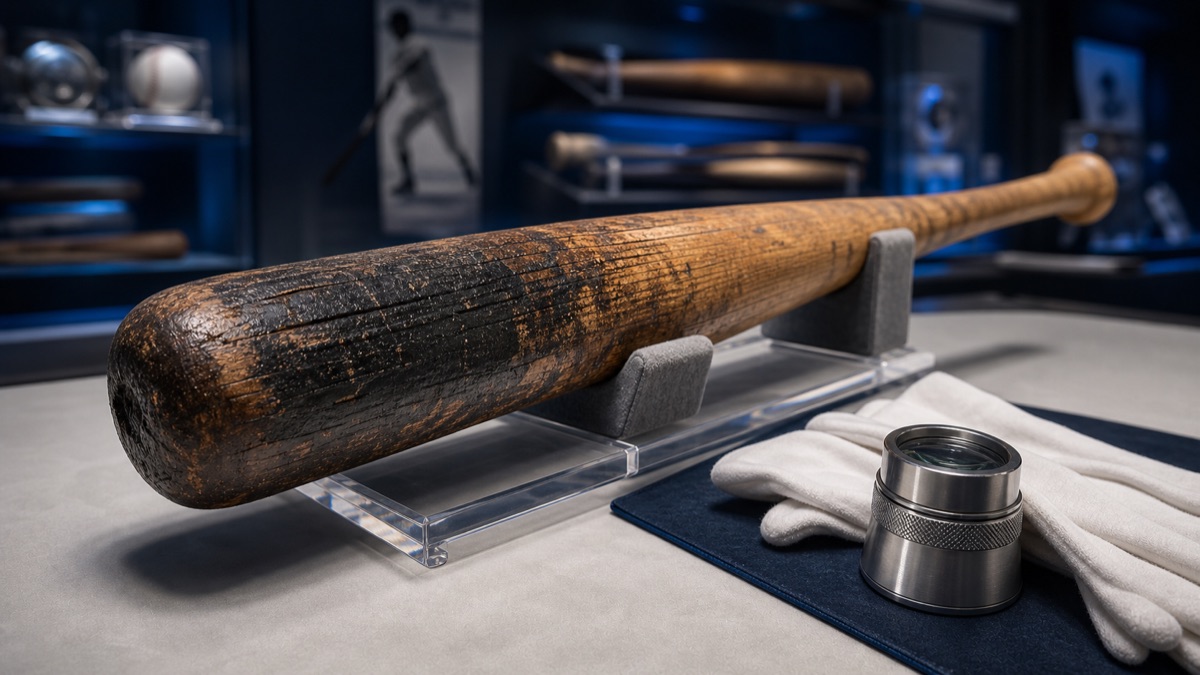
Game used bats are bats that show evidence of actual use by a player in competition, practice, or a documented team setting, depending on the claim attached to the item. The best examples combine convincing wear, player-specific traits, and paperwork that explains exactly what is being attributed.
We like bats because they are readable objects. Pine tar, ball marks, rack marks, tape, cracks, knob writing, and grain can all help tell the story, but no single mark should carry the whole case by itself.
Reading game used bat characteristics
A game used bat should be judged from the whole surface, not one dramatic spot. Ball marks may appear on the barrel. Stitch impressions can show where the bat met the ball. Cleat marks, bat rack streaks, pine tar, grip wear, and seam transfer can all support use when they make sense together.
Cracks can matter too. A cracked bat may have strong use evidence and a clear end point in its playing life. An uncracked bat can be more display-friendly, but it needs other evidence to support the use claim. Neither category is automatically better; the right choice depends on player, documentation, eye appeal, and how you plan to display it.
Preparation marks are different from use marks. Tape, tar, shaved handles, cupped ends, model stamps, and knob notes can show how a bat was prepared or identified, but preparation alone does not prove game use. Our game worn vs game issued guide explains why issued, prepared, and used language should stay separate.
Player traits and bat model details
The strongest bat evaluations ask whether the bat fits the player. Collectors look at length, weight, manufacturer, model, knob markings, uniform number, tape style, pine tar pattern, and whether those traits line up with known preferences. A bat can show heavy use and still be a weak attribution if it does not fit the player named on the paperwork.
Player traits can change over time. A hitter may use different brands, models, weights, or tape styles across seasons. That is why broad statements are less useful than dated evidence. If a letter says a bat came from a certain season, the physical characteristics should make sense for that window.
Be careful with team bats, professional model bats, and retail bats. A professional model bat is not automatically game-used by the star whose name is on the barrel. The closer the item gets to a specific player and use period, the more evidence we want.
- Knob and end markings: numbers, weights, model notes, or clubhouse identifiers.
- Grip preparation: tape pattern, tar height, handle wear, or shaving that matches player habits.
- Barrel evidence: ball marks, seam impressions, grain separation, dents, and contact patterns.
- Manufacturing fit: brand, model, length, weight, and labeling that make sense for the player and era.
- Attribution support: documentation, source history, images, or a photo match that ties the bat to the claim.
Documentation for game used baseball bats
Paperwork should tell you what the source is actually claiming. A team letter, player letter, auction letter, league record, or third-party opinion can all be useful, but they are not interchangeable. The best documentation identifies the player, item type, season or date if known, source of the bat, and whether the claim is game-used, game-issued, team-issued, or attributed.
Vague paperwork is common in older bats. A letter may say a bat came from a team source or was represented as used by a player. That may be worth something, but it is not the same as a specific witnessed use claim. We would rather see careful wording than an exciting certificate that skips the important details.
If you are selling or consigning a bat, keep every piece of paper with it: letters, receipts, auction descriptions, photos, emails, and prior labels. If you want us to review an item for possible sale, our sell and consign page is the right starting point, and the documentation will shape how clearly the bat can be represented.
Photo matching game used bats
Photo matching can be powerful for bats because wood grain, tape, tar, cracks, and barrel marks may appear in game images. A clear match can move a bat from plausible to much more specific, especially when the image date ties the bat to an important game or stretch of use.
Good matches depend on visible, repeatable details. A generic black handle or common tape job is not enough by itself. Multiple unique points in the same relationship to each other are stronger than one blurry mark. Our photo matching memorabilia guide walks through that evidence ladder.
Not every real bat can be matched. Some players rotate bats quickly, some images are too low resolution, and some bats do not have distinctive marks until after the relevant photo was taken. A lack of photo match should affect confidence, not automatically kill the item.
Displaying and caring for game used bats
Bats display well, but they need stable support. Horizontal wall mounts, bat tubes, acrylic cases, and custom shelves can all work if they avoid pressure points and keep the bat from rolling. Cracked bats need extra care because a stressed crack can widen over time.
Avoid cleaning away the story. Pine tar, dirt, ball transfer, and rack marks are part of the evidence. Wiping a bat aggressively can reduce both eye appeal and confidence. Dust lightly, keep it out of direct sunlight, and avoid damp basements or hot attics.
If the bat has paperwork, display copies and store originals separately in an archival sleeve or folder. That way the bat looks clean on the wall while the provenance remains protected. Our broader display guide covers the same balance between presentation and preservation.
Common questions about game used bats
Is a cracked bat less valuable? Not automatically. A crack can support use and may connect to the end of the bat's playing life, but some collectors prefer uncracked bats for display. The player and documentation matter more than the crack alone.
Does pine tar prove a bat was used in a game? No. Pine tar supports preparation or handling, but it does not prove game use by itself. It needs to fit with other wear, player traits, and paperwork.
Should you buy a bat with no paperwork? Only at a price that reflects the uncertainty. Strong visible traits can make an undocumented bat interesting, but expensive player attributions need stronger support than a seller's story.
Ready to hunt?
Sports cards and collectibles — documented and carefully presented.