Jersey Collecting Guide: Replica, Authentic & Beyond
July 9, 2026 · 5 min read · By BGLAD
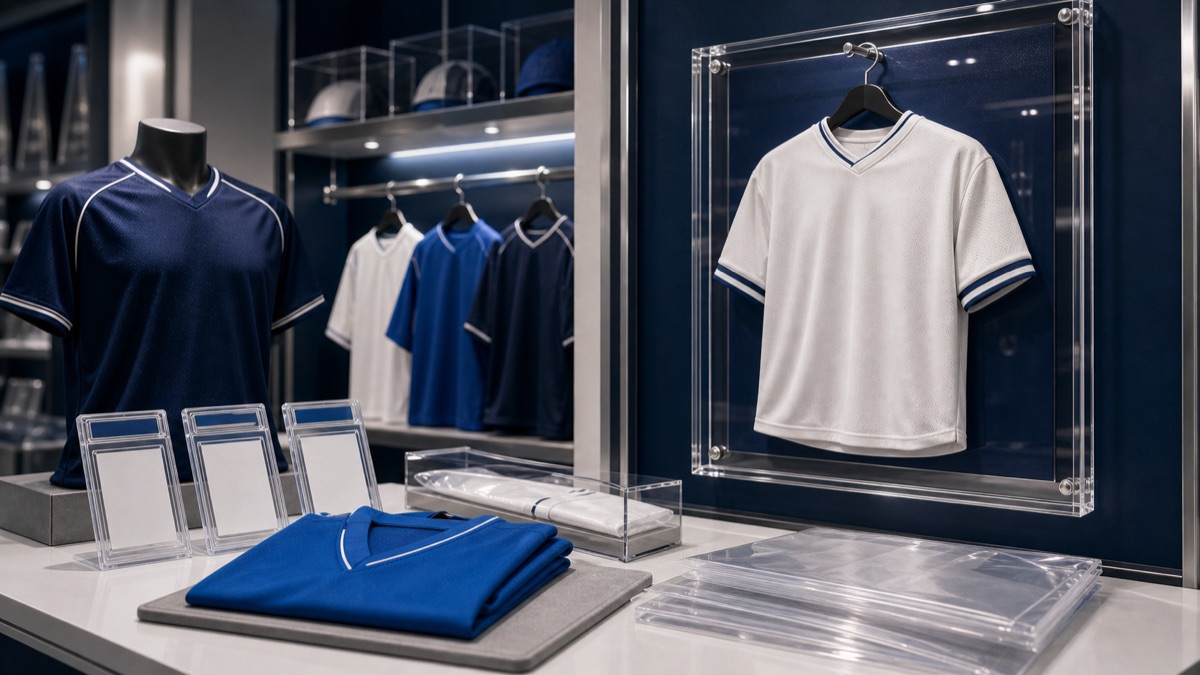
A good jersey collecting guide starts with the quality ladder: replica, authentic, team-issued, game-issued, and game-used. Each level can be collectible, but the price and proof should match the claim.
Jerseys are wearable objects, display pieces, and memorabilia all at once. That makes condition, sizing, tagging, customization, and care more important than they look at first glance.
The jersey quality ladder collectors use
Replica jerseys are made for fans. They are usually easier to wear, easier to replace, and less expensive than higher-end versions. A replica can still be a great collection piece when the goal is a favorite player, team era, or display wall rather than a player-use claim.
Authentic retail jerseys are built closer to what teams wear, but authentic does not mean game-used. It usually means the construction, materials, patches, cuts, and details are closer to on-field or on-court product than a basic fan replica. Collectors often like authentics because they display better and feel more substantial.
Team-issued and game-issued jerseys move closer to the locker room. They may have team inventory markings, player sizing, tagging, or customization that was prepared for a player, but not necessarily worn in competition. Game-used jerseys require a stronger proof standard. Our game-worn vs game-issued guide is the first article we would read before paying a game-used premium.
Sizing, tagging, and jersey basics
Tags are not just size labels. They can help identify manufacturer, era, retail line, country of production, fabric, wash instructions, and sometimes team or player issue details. A collector does not need to memorize every tag style, but should learn what normal looks like for the sport, league, brand, and period being collected.
Sizing is also a clue. Retail jerseys are usually sized for fans. Player-issued jerseys may have unusual length, width, sleeve, or body proportions because they were built for performance or equipment fit. That does not prove player use, but it can support a larger case when paired with team provenance and matching details.
Look at the whole build: fabric, mesh, stitching, nameplate, numbers, patches, jock tag, collar, hem, sleeve shape, and any interior markings. If one detail looks wrong, slow down. Jerseys are often customized, stripped, relettered, or altered, and those changes can be hard to see in poor photos.
Customization caution for names, numbers, and patches
Customization is where many jersey mistakes begin. A blank authentic jersey customized later can look excellent, but it is not the same as a team-issued jersey. A modern name and number added to an older blank may be fun to wear, but it should be described as a custom piece. The words matter because collectors price originality differently.
Watch for incorrect fonts, number sizes, patch placement, nameplate material, stitching style, and anniversary or championship patches that do not belong to the jersey's era. Some errors are innocent fan customizations. Others are attempts to create a more desirable item. Either way, the buyer should know what is original and what was added later.
Autographs add another layer. A signed jersey can be desirable even if it is retail, but the signature should be evaluated separately from the garment. If signed jerseys are part of your collection, our autographs and game-used memorabilia guide gives a useful framework for keeping signature authenticity and item type separate.
Condition and care for collectible jerseys
Jersey condition is about more than stains. Collectors look for fabric pulls, loose stitching, cracked numbers, peeling heat press, fading, color transfer, odor, missing patches, tag wear, pinholes, and evidence of heavy washing. For game-used pieces, some wear may support the story, but damage still needs to be stable and understandable.
Care depends on the jersey type. A modern fan jersey you wear on weekends can be handled differently from a signed, vintage, team-issued, or photo-matched jersey. When in doubt, avoid heat, harsh cleaning, direct sunlight, and repeated folding over the same spot.
- For display: use a frame or hanger setup that supports the shoulders and does not stress the fabric.
- For storage: keep jerseys clean, dry, flat or gently hung, and away from plastic that traps moisture.
- For autographs: keep signed areas out of direct light and avoid washing unless the signature is irrelevant.
- For vintage jerseys: do not rush into stain treatment, patch repair, or pressing without expert advice.
- For game-used jerseys: preserve wear patterns, tags, repairs, and paperwork together.
Buying jerseys with proof and purpose
Before buying, decide which lane you are in. Wearable fan jerseys, authentic display jerseys, signed jerseys, team-issued pieces, and game-used jerseys are different markets. A collector can enjoy all of them, but each purchase should be judged by the correct standard.
For higher-end jerseys, documentation matters. Look for team letters, league authentication, reputable auction history, signing records, player provenance, or photo matching when the claim requires it. A loose story from a seller may be interesting, but it should not carry the same weight as records that travel with the jersey.
If you are browsing signed or authenticated jerseys, compare how sellers describe item type, signature status, size, condition, and paperwork. Our marketplace listings are built around clear item descriptions because a jersey buyer should not have to guess whether a piece is replica, authentic, issued, or used.
Common questions in a jersey collecting guide
Are authentic jerseys always better than replicas? Not always. Authentics usually have stronger materials and details, but replicas can be easier to wear, easier to afford, and better for casual player collections. Better depends on your goal.
Should you customize a blank jersey? Only if you are comfortable with it becoming a custom piece. Customization can make a jersey more enjoyable, but it may not increase collector value, especially if the font, patches, or era details are wrong.
Is a signed jersey worth more if it is game-used? Often the combination is more desirable, but both claims need proof. The autograph needs authentication or strong provenance, and the game-use claim needs its own evidence. Do not let one strong claim cover for the other.
Ready to hunt?
Sports cards and collectibles — documented and carefully presented.