On-Card vs Sticker Autograph: Why the Difference Matters
July 9, 2026 · 5 min read · By BGLAD
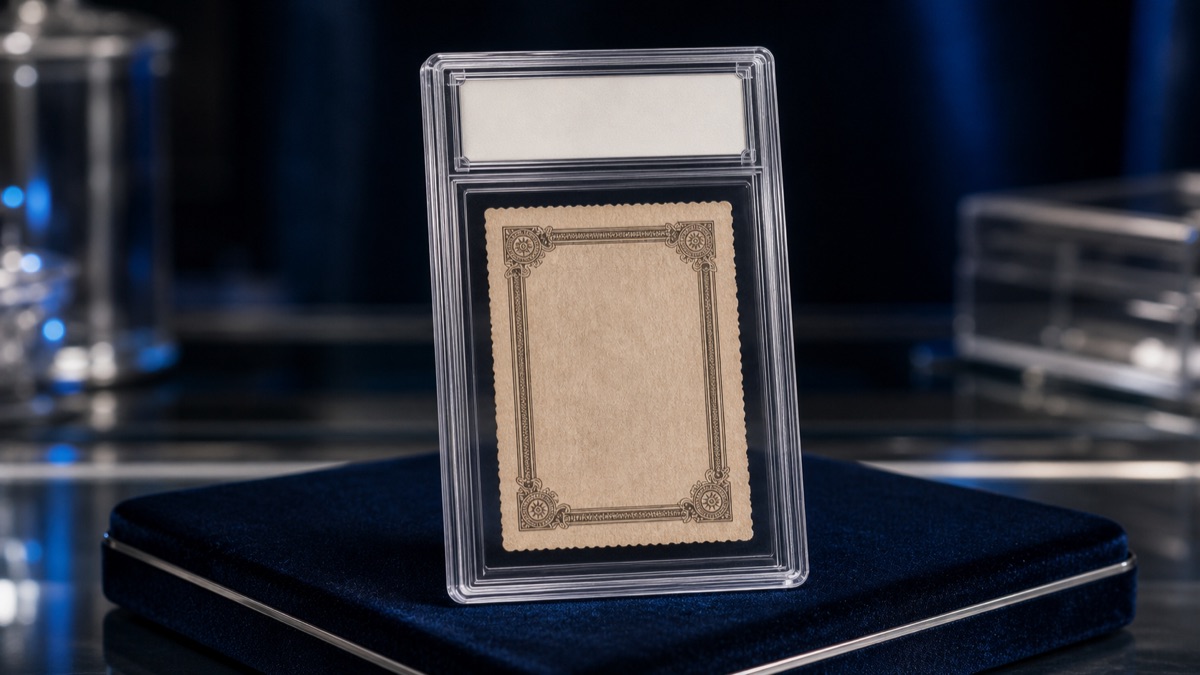
On-card vs sticker autograph means the athlete either signed the card itself or signed a clear label that was later applied to the card. Collectors usually prefer on-card autographs because the signature feels more connected to the item, but sticker autos can still be attractive, legitimate, and collectible.
The right choice depends on what you value. Some collectors want the cleanest presentation possible. Others care more about the player, set, price, rarity, or whether the autograph is authenticated and easy to resell.
How on-card autographs are produced
An on-card autograph is signed directly on the trading card. For certified pack-pulled cards, that usually means the manufacturer had cards printed, sent them through a signing process, received them back, and inserted them into products after quality control.
The appeal is simple: the signature and the card are one object. The ink sits on the card surface, usually over the image or a designed signing area. When it is done well, an on-card autograph looks intentional, balanced, and permanent in a way collectors can see immediately.
On-card signatures are not automatically perfect. Athletes can sign too low, too high, too lightly, or across a busy part of the design. Glossy surfaces can cause streaking or bubbling. A card can also pick up corner or surface wear during the signing and handling process. That is why the best on-card autos combine authenticity, placement, strong ink, and clean card condition.
How sticker autographs are produced
A sticker autograph is signed on a separate adhesive label, then applied to a card during manufacturing. This system gives manufacturers more flexibility because athletes can sign sheets of labels before the final card checklist is assembled.
That flexibility is the reason sticker autos are common. They help products get finished, allow autographs to be used across different sets, and reduce the need to ship finished cards back and forth. For collectors, that can mean more signed cards exist than would be possible with on-card signing alone.
The tradeoff is presentation. A sticker can be crooked, off center, trapped under glare, or visually separate from the card design. Some signatures also run off the edge of the label. When the autograph is clipped by the sticker border, collectors often discount it because part of the writing is missing even if the card is otherwise authentic.
Why collectors pay on-card autograph premiums
Collectors pay premiums for on-card autographs because they are usually harder to coordinate and usually look more natural. The card feels like it was made to be signed, not assembled from a signed component. That emotional difference matters in a hobby built around objects, details, and personal taste.
The premium is not a law. A sticker autograph from a key rookie card, rare parallel, iconic set, or popular player can beat an ordinary on-card autograph in value. Scarcity, demand, grade, eye appeal, and set importance all still matter.
A practical way to compare is to ask what the autograph adds to the specific card in front of you. If the on-card signature is bold and well placed, the premium may be justified. If the sticker auto is clean, affordable, and from a set you love, it may be the better buy. We use the same grounded approach when comparing signed cards with other memorabilia in our autographs and game-used memorabilia guide.
In-person autographs as a third path
In-person autographs sit outside the normal on-card vs sticker autograph debate. These are cards, photos, balls, jerseys, programs, or other items signed at games, shows, private meetings, public events, or through the mail. They can be meaningful because the collector may have a direct memory attached to the item.
For resale, in-person signatures usually need more support. A personal story is nice, but future buyers who were not there will want authentication, signing photos, a credible chain of ownership, or a price that reflects the uncertainty. Our autograph authentication guide explains why third-party opinions matter more once the item leaves the original collector.
In-person signed cards can also have condition tradeoffs. A card pulled from a binder, carried to a stadium, handled by a player, and brought home may pick up corner wear or surface marks. That does not ruin the item if the autograph is the point, but it should be priced and described honestly.
Condition and fading risks for signed cards
Autographed cards have two condition layers: the card and the signature. A sharp card with a faded autograph may disappoint. A bold autograph on a damaged card may still be desirable for a player collector, but it should not be treated like a clean example.
Light, heat, humidity, and friction are the main enemies. Blue marker is popular because it often contrasts well, but any ink can fade or transfer if stored badly. Sleeves, top loaders, one-touches, graded holders, and display cases all help only when they are used with common sense. Our collection storage guide covers the same basics for cards that are not signed.
- Check ink strength: look for bold, complete lines without skipping or major fading.
- Inspect placement: a centered signature with room to breathe usually displays better.
- Watch the surface: bubbling, smearing, or marker drag can hurt eye appeal.
- Protect from light: avoid long-term direct sunlight, even in a holder.
- Match holder to value: raw storage is fine for some cards, while higher-end autos may deserve slabs from our graded slabs inventory or a professional submission path.
Common questions about on-card vs sticker autograph cards
Are on-card autographs always better? They are often preferred, but not always better for every collector. A rare sticker autograph of the right player can be more desirable than a common on-card auto of the wrong player, set, or condition.
Do sticker autographs peel off? They are designed to stay on the card, but damage, tampering, poor storage, or manufacturing issues can create problems. If the sticker edge looks lifted, dirty, or disturbed, slow down and inspect the card more carefully.
Should you grade autographed cards? Sometimes. Grading can protect the card and make resale easier, but the math depends on value, condition, autograph quality, and fees. For many personal collection cards, the best answer is simply to store them well and enjoy the signature.
Ready to hunt?
Sports cards and collectibles — documented and carefully presented.