Autograph Fading: Keeping Signatures Alive
July 9, 2026 · 6 min read · By BGLAD
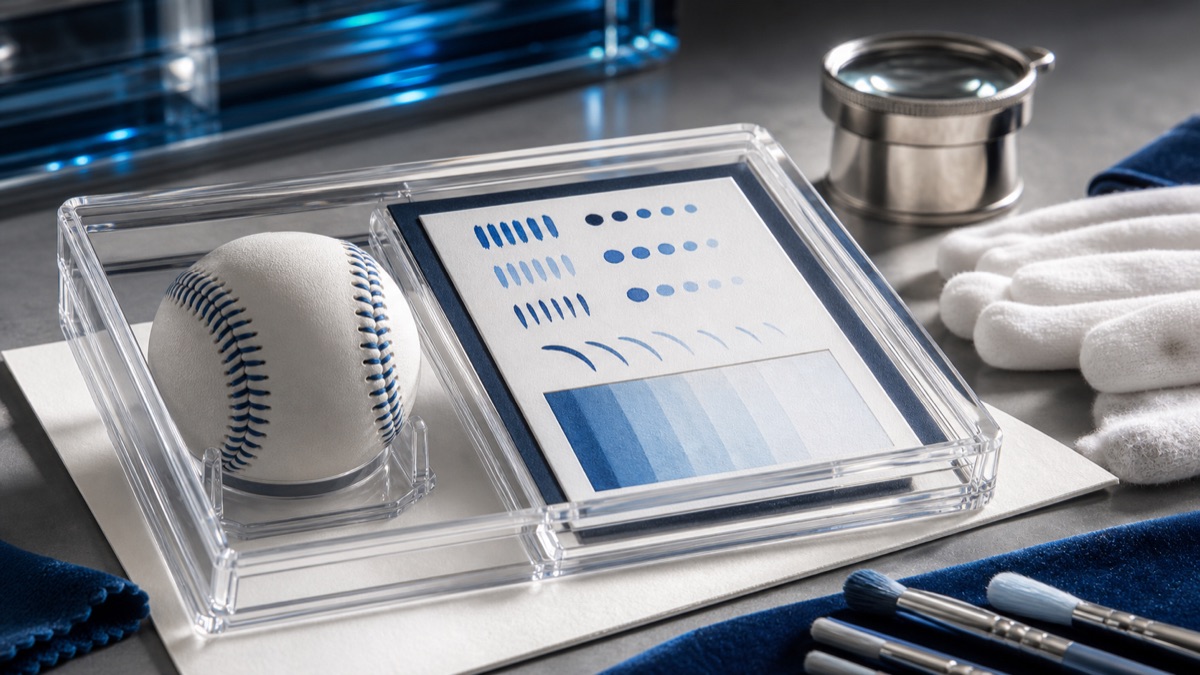
Autograph fading happens when ink breaks down, transfers, bleeds, or loses contrast because the surface, pen, light exposure, and storage conditions are working against it. The best protection is choosing the right ink when you can, then keeping signed items away from UV light, heat, moisture, abrasion, and careless display.
We treat a signature as its own condition feature. A sharp card or jersey can still be disappointing if the autograph is weak, and a bold autograph can lose value fast when it is displayed in the wrong place.
Why autograph fading happens
Ink is not permanent just because it dried. Some inks sit on top of glossy surfaces and can smear, skip, or rub away. Some soak into porous material and spread. Some look strong at first but fade under sunlight or bright display lighting. The item and the ink have to work together.
The biggest enemy is ultraviolet light. UV exposure can fade marker, discolor photos, weaken paper, and age materials around the signature. Heat and humidity can make the problem worse by changing how ink and surfaces behave. Handling adds another risk because fingers, friction, and pressure can wear down the signature over time.
This is why two autographs from the same signer can age differently. A blue marker on a glossy card stored in a dark box may stay bold for years, while a similar signature displayed near a sunny window may lose contrast. Storage is not glamorous, but it decides a lot.
Ink types on cards, photos, balls, and fabric
Cards and glossy photos often need markers or paint pens that can sit cleanly on slick surfaces. The risk is beading, streaking, or slow drying. A signature that looks wet or uneven should be left alone until it fully cures; sliding it into a sleeve too soon can transfer ink.
Baseballs are different. Many collectors prefer ballpoint pen on official-style baseballs because some markers can bleed into the leather and grow fuzzy over time. On darker equipment, pucks, helmets, bats, and shoes, collectors may use silver, gold, or paint marker for contrast, but paint pens can chip or smear if the surface is dirty or handled too soon.
Fabric brings its own tradeoffs. Jerseys, hats, and numbers need enough contrast to display, but fabric can pull ink into the fibers. Stretching, folding, washing, and friction can all hurt a signature. For wearables, we think of the item as memorabilia after signing, not as clothing to use.
- Glossy cards: watch for streaking, bubbling, and signatures that sit on the coating.
- Matte photos: often take marker well, but still need time to dry before stacking.
- Baseballs: ballpoint pen is commonly preferred by collectors because bleeding is a known marker risk.
- Dark equipment: metallic or paint markers can display well when the surface is clean and dry.
- Fabric: bold contrast matters, but folds and rubbing can damage the ink.
UV protection for signed memorabilia display
If you display autographs, assume light is doing work even when the room looks normal. Direct sunlight is the obvious problem, but bright window exposure, intense lamps, and long display hours can also fade ink. A signed item does not need to sit in a dark vault forever, but it should not live in a sunbeam.
UV-filtering acrylic, quality frames, display cases, and sleeves can reduce risk. They do not make an autograph invincible. A UV-protected case in direct sun is still a risky choice because heat and repeated exposure remain. Display the item in a stable room, away from windows, vents, damp walls, and high-traffic surfaces.
Our UV protection framing and cases guide goes deeper on display materials. For signed cards that already sit in holders, our graded slabs can show how encapsulated autographs are commonly presented, but even slabs should be kept out of harsh light.
Storage habits that preserve autographs
Good storage is boring in the best way. Keep signed cards in clean sleeves and holders that fit. Store signed photos flat or upright with archival materials. Use ball cubes, jersey frames, bat tubes, puck cases, and other holders that keep the autograph from rubbing against the world.
Avoid pressure points. A signed card pressed tightly against a textured surface can pick up marks. A signed photo stacked against another glossy print can transfer ink. A jersey folded across the autograph can create wear along the fold line. If the signature is the reason the item matters, give the ink space.
Humidity and temperature should be stable. Basements, attics, garages, and storage units can be risky because they swing between damp, hot, and cold. Our collection storage guide covers the broader environment rules that apply to both cards and signed memorabilia.
How fading affects autograph value
Fading usually hurts value because buyers pay for confidence and eye appeal. A bold signature is easier to display, easier to photograph, and easier to compare. A faint signature creates questions: is it fading, a weak pen, a bad surface, or a reproduction? Even when authentic, a weak autograph can limit demand.
The amount of damage matters. Light, even fading may be acceptable on older material if the item is scarce and the signature is still readable. Severe fading, bleeding, smearing, or missing parts of the autograph are bigger problems. The market often treats the autograph quality and the object condition as separate layers, then prices the whole item accordingly.
Authentication does not erase condition. A faded authenticated autograph may be real, but real and attractive are not the same thing. Our on-card vs sticker autograph guide makes the same point for signed cards: the signature has to be judged as part of the full presentation.
Common questions about autograph fading
Can a faded autograph be restored? We would be very cautious. Trying to trace, darken, or touch up a signature can damage the item and create authenticity problems. In most cases, preservation is smarter than restoration.
Is blue ink better than black ink? Collectors often like blue because it contrasts with printed black text and can help show that the item was hand signed, but no color is automatically safe. The ink formula, surface, storage, and light exposure matter more than a simple blue-versus-black rule.
Should you display signed items or store them away? Display is fine when the item is protected and the room is sensible. If the autograph is valuable, fragile, or irreplaceable, rotate it, photograph it, and store it in the dark when it is not being enjoyed.
Ready to hunt?
Sports cards and collectibles — documented and carefully presented.