Autograph Authentication: PSA/DNA, JSA & Beckett Explained
July 9, 2026 · 5 min read · By BGLAD
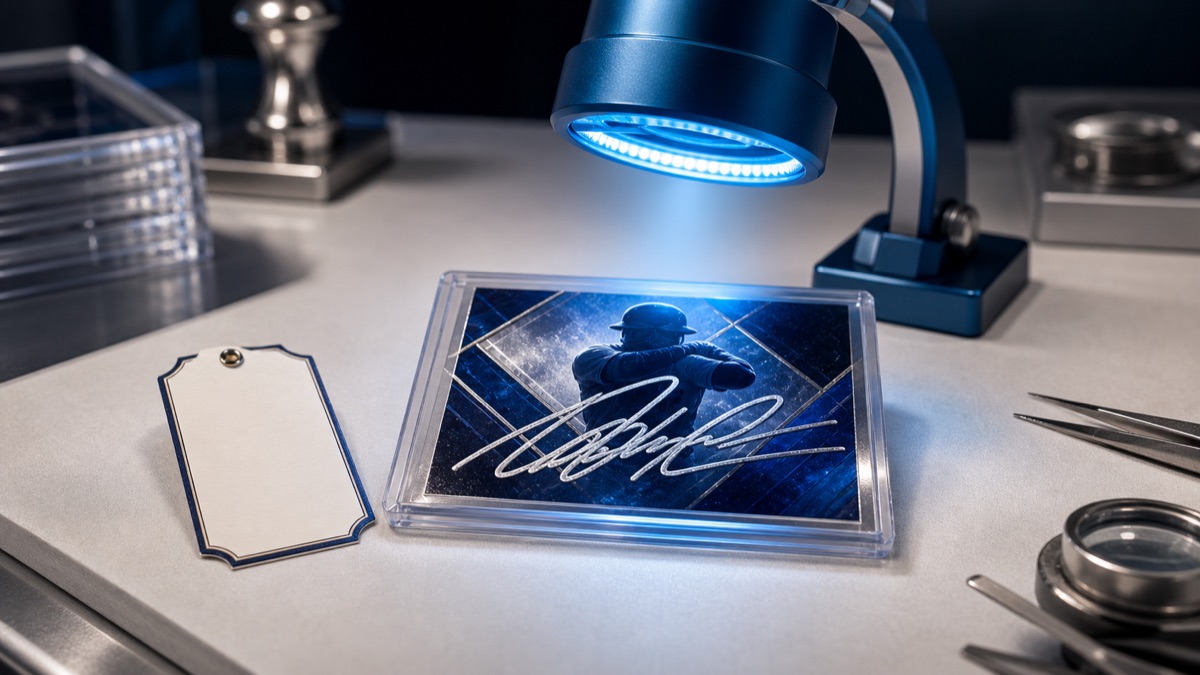
Autograph authentication is an independent opinion that a signature is likely genuine, based on examination, comparison, context, and documentation. It matters because an unsigned item with a story is just a story; an authenticated autograph gives buyers, sellers, and future owners a common reference point.
We do not treat authentication as magic. It is a risk reducer, not a time machine, and the best collectors still look at the item, the signature, the paperwork, and the seller before they decide what they are comfortable owning.
Why autograph authentication matters
A signature changes the value of an item only if the market believes the signature is real. That is why third-party autograph authentication became so important: it moves the conversation away from "trust me" and toward a documented opinion from a company collectors recognize.
That opinion is especially useful when the autograph is separated from the original moment. A signed ball, jersey, photo, card, or ticket may pass through several collections over decades. Without authentication, each new buyer has to rebuild confidence from scratch. With it, the buyer can still ask questions, but there is a record to evaluate.
Authentication also helps with liquidity. A properly labeled signed item is easier to describe, easier to compare, and easier to resell than a raw autograph with no supporting material. If you are building beyond cards, our broader autographs and game-used memorabilia guide is a useful starting point for understanding where signatures fit in the hobby.
How PSA/DNA, JSA, and Beckett review autographs
Major authenticators such as PSA/DNA, JSA, and Beckett generally work from the same basic idea: trained examiners compare the submitted autograph against known genuine examples and evaluate whether the writing behavior makes sense. They may look at letter formation, pen pressure, flow, spacing, slant, speed, hesitation, and how the signature fits the item.
The strongest opinions come from more than the ink alone. Context matters. Was the item commonly signed in that era? Does the pen or marker make sense for the object? Is the placement natural? Does the story line up with what collectors know about the athlete, the event, and the type of item?
Collectors sometimes want authentication to be a simple yes-or-no machine. It is better to think of it as a professional opinion built from evidence. A good authenticating company can reject signatures, pass signatures, or decline to offer an opinion when the evidence is not strong enough. That uncertainty is part of the process, not a flaw in it.
Certificates, stickers, and autograph certification numbers
Most authenticated autographs are paired with a visible sticker, a certificate, a database entry, or some combination of the three. The goal is to tie the opinion to the exact item, so the paperwork cannot be casually moved from one object to another.
When we review an authenticated autograph, we want the physical item and the records to agree. A sticker number should match the certificate or online lookup. The player name, item type, and any notes should make sense. If the item is slabbed or encapsulated, the label should describe the signed object clearly enough that another collector can understand what is being offered.
- Sticker or label: a visible identifier placed on the item, holder, or certificate.
- Certificate or letter: a printed document that records the authenticator's opinion and identifying number.
- Online lookup: a database result that should match the number and basic item description.
- Full letter: usually more useful on higher-value or oversized memorabilia because it gives future buyers more context.
Witnessed autographs vs examined signatures
A witnessed autograph is signed under the observation of a representative, event system, card manufacturer, or authentication program. An examined signature is reviewed after the fact. Both can be collectible, but they answer different questions.
Witnessed autographs are strongest on provenance because the signing event itself was part of the chain. Certified pack-pulled cards, private signings, and some event-based programs fall into this category. They can still have condition issues, fading, poor placement, or weak eye appeal, but the authenticity question is usually cleaner.
Examined signatures are common in vintage material, older photos, balls, programs, and items signed in person. The authenticator did not see the athlete sign, so the opinion rests on examination and comparison. That is why the quality of the signature, the item, and the paperwork all matter together. If you are deciding between signed cards specifically, our on-card vs sticker autograph guide explains another layer collectors care about.
Buying already-authenticated autographs safely
Buying an already-authenticated autograph is often the cleanest path, especially for newer collectors. You can verify the certification number before paying, compare the item description to the database result, and focus your energy on condition, eye appeal, price, and whether the item actually fits your collection.
We still recommend slowing down. Look for clear photos of the signature, the sticker or label, and the certificate if one exists. Make sure the item being sold is the item described. If a seller shows a certificate but hides the autograph or crops out the sticker, that is not enough information to buy confidently.
For online purchases, the same habits that protect card buyers also help autograph buyers: know the seller, read the listing language closely, save screenshots, and avoid vague claims. Our guide to buying sports cards online safely covers many of the same decision rules. When we list signed material in our marketplace listings, we try to make the authentication status plain because collectors should not have to guess.
Common questions about autograph authentication
Does authentication guarantee an autograph forever? No. It is a professional opinion at a point in time. Strong companies stand behind their process, but collectors should still preserve the item, keep the certificate with it, and watch for database notes or holder changes if the item is later resubmitted.
Is an authenticated autograph always worth more? Usually it is easier to sell, but value still depends on the athlete, item type, signature quality, condition, scarcity, and demand. A clean authenticated signature on a desirable object can matter a lot; a faded autograph on an awkward item may still be limited.
Should you authenticate every signature you own? Not automatically. For low-value personal keepsakes, the fee may not make sense. For items you may sell, insure, gift, or build a serious collection around, authentication gives the next person a clearer reason to trust what they are buying.
Ready to hunt?
Sports cards and collectibles — documented and carefully presented.