Restore Vintage Memorabilia: Restore or Conserve?
July 9, 2026 · 5 min read · By BGLAD
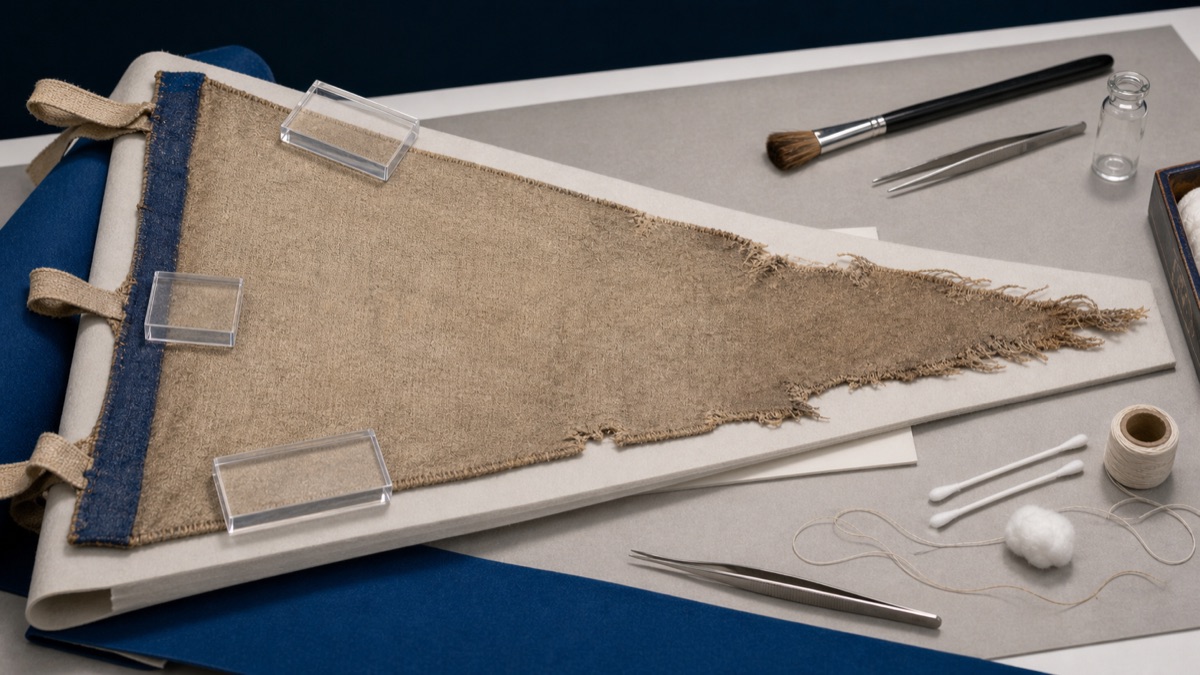
To restore vintage memorabilia is to change it; to conserve it is to slow further damage while preserving as much original material as possible. Most collectors should default to conservation, full disclosure, and a pause before doing anything irreversible.
That does not mean every repair is wrong. It means the work should match the object, the damage, and the long-term purpose. A family display piece, a museum-quality item, and an item headed to market can call for different decisions.
Restoration vs conservation for vintage memorabilia
Restoration tries to make an item look closer to how it once looked. Conservation tries to stabilize the item as it is now. Replacing missing paint on a sign, re-stitching a pennant, recoloring a leather patch, or cleaning a stained program can all move an object away from pure originality.
Conservation may be as simple as removing an item from sunlight, supporting weak paper with archival backing, isolating acidic materials, or rehousing a wool piece so pests cannot reach it. Those actions protect the object without pretending the years did not happen.
We think of vintage collectibles as evidence. A crease, ticket tear, soft leather edge, or faded autograph may be part of the object's record. Our broader vintage sports memorabilia guide explains why age, context, and originality often matter more than cosmetic perfection.
How restoration affects collectible value
Restoration can improve display appeal while reducing collector trust. That is the central tension. A cleaned program may frame better, but if the cleaning lifted ink or changed the paper surface, a future buyer may see less originality. A repaired jersey seam may prevent further tearing, but a replaced patch can change the value conversation completely.
The value effect depends on the category. Some collectors tolerate professional restoration on large display objects, especially when the work is obvious and the alternative is continued loss. Cards, tickets, photographs, autographs, and paper items tend to be less forgiving because small changes can affect authentication and grading.
If you plan to sell or consign an item, talk through the decision before the work starts. A buyer can evaluate a disclosed repair. A buyer who discovers undisclosed work later may question every other detail.
When to leave vintage collectibles alone
Leave it alone when the item is stable, the damage is part of normal age, or the proposed fix is mostly cosmetic. Many older pieces look best when they are clean, supported, and honestly worn. Trying to make them look new can erase the reason collectors liked them in the first place.
Also leave it alone when you do not know the material. Leather, wool, paper, ink, glue, and old finishes react differently to moisture, heat, solvents, pressure, and light. A household cleaner that seems harmless on a modern object can permanently stain or weaken a vintage one.
- Do not flatten brittle paper by force: pressure can split fibers or create new creases.
- Do not condition old leather casually: oils and dressings can darken, soften, or stain surfaces.
- Do not wash wool pennants without expert advice: dyes, stitching, and felt can react badly.
- Do not remove tape quickly: old adhesive may lift paper, ink, or surface fibers with it.
- Do not recolor for a higher grade: cosmetic improvement without disclosure damages trust.
When careful repair can make sense
Careful repair can make sense when the goal is stabilization, not disguise. A loose frame that is abrading a program, an acidic backing board touching a ticket, an unsupported tear in a large poster, or an unstable mount on a signed photo may need professional attention before the problem spreads.
For textiles, repair may be justified when a seam is actively opening or a hanger is stressing the fabric. For leather, the best move may be controlled storage rather than surface treatment. For paper, a conservator may be able to remove harmful tape residue or house the item so the damage stops advancing.
The key question is whether the work preserves more original material than it changes. If the answer is unclear, wait. There are very few vintage memorabilia decisions that improve because someone rushed into glue, water, heat, or color.
Disclosure and documentation for restored items
Document the item before any work begins. Take clear photos of the front, back, edges, labels, signatures, damage, and any existing repairs. Keep receipts, conservator notes, material descriptions, and dates. If you sell the item later, that file becomes part of the item's history.
Disclosure should be specific. Say repaired tear, replaced backing, professional dry cleaning, tape residue reduced, new frame, stabilized seam, or color touch, as applicable. Do not hide behind vague phrases like improved condition or professionally enhanced.
Authentication and valuation become easier when the work is clear. Our guides to authenticating sports memorabilia and valuing vintage memorabilia both come back to the same point: originality and provenance are easier to evaluate when the record is complete.
Common questions about restoring vintage memorabilia
Should you clean an old item before selling it? Usually, no beyond gentle dust removal and safe handling. Let the next owner or a specialist decide whether deeper cleaning is worth the risk.
Does professional restoration always hurt value? Not always, but it changes the buyer pool. Some collectors accept disclosed stabilization on fragile display pieces. Others want untouched originality and will discount restored material heavily.
What is the safest first step? Improve the environment. Reduce light, isolate acids, support weak areas, control humidity, and stop active stress before considering cosmetic work. Conservation starts with preventing tomorrow's damage.
Ready to hunt?
Sports cards and collectibles — documented and carefully presented.