Vintage Sports Memorabilia: What to Collect and Why
July 9, 2026 · 5 min read · By BGLAD
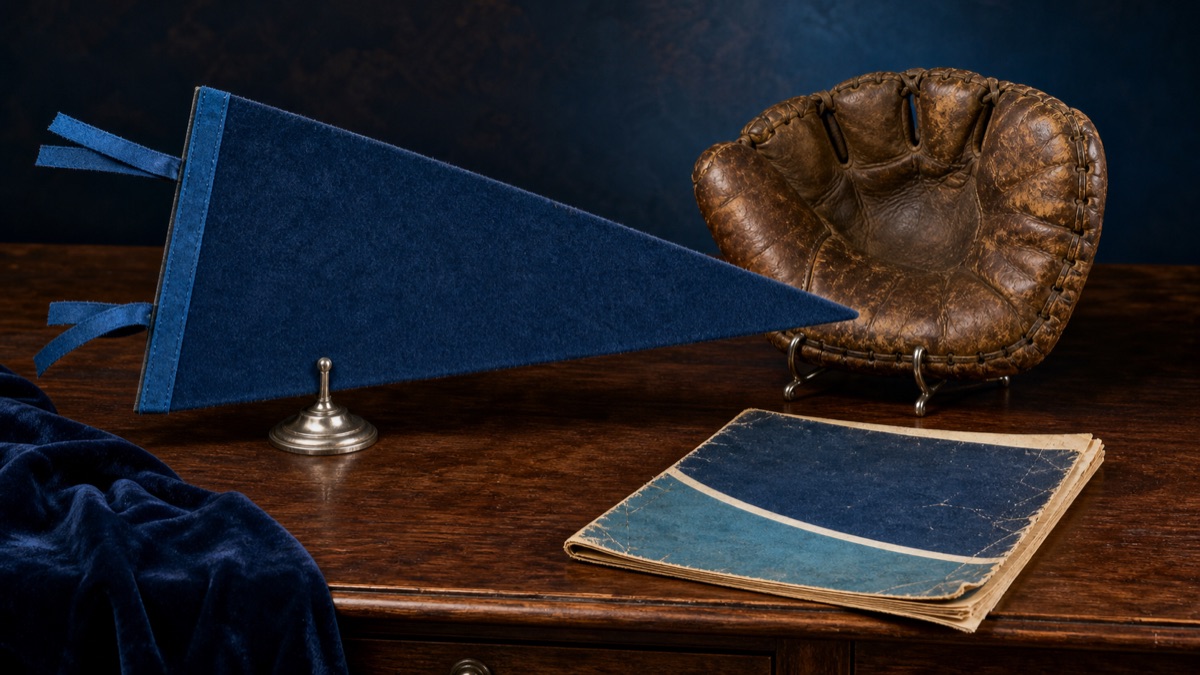
Vintage sports memorabilia is the world of older sports objects beyond standard trading cards: pennants, programs, tickets, equipment, advertising, photos, publications, and display pieces. Collectors value it because these objects carry the texture of the era, not just the statistics of the athlete.
The best vintage collections are focused. A small group of well-chosen items from a team, player, stadium, season, brand, or city usually tells a stronger story than a room full of unrelated old sports things.
The vintage memorabilia landscape beyond cards
Cards are only one way sports history survived. Vintage memorabilia includes stadium programs, scorecards, yearbooks, ticket stubs, pennants, pins, buttons, team photos, wire photos, advertising signs, store displays, bobbleheads, equipment, uniforms, schedules, postcards, magazines, newspapers, and premium items that were given away at games or sold through teams.
Each category has its own collector logic. Programs and scorecards can connect to a specific game. Pennants show team graphics and travel culture. Advertising pieces connect sports to local businesses and national brands. Equipment and uniforms bring the object closer to the field, especially when use can be documented. Tickets and stubs are compact pieces of event history, which is why our ticket stub collecting guide treats them as their own lane.
The fun is in choosing a lane before buying everything. A Yankees collector, Negro Leagues collector, Detroit sports collector, Olympics collector, boxing collector, or stadium collector will make different decisions even when looking at the same table of vintage items.
What survives and what is actually scarce
Scarcity in vintage sports memorabilia is usually about survival, not original production. Many programs were printed in large numbers, but fans wrote in them, folded them, tossed them out, or stored them in damp basements. Pennants were pinned to walls, faded in sunlight, and lost tips. Equipment was used until it broke. Advertising displays were thrown away when a promotion ended.
That is why ordinary-looking objects can be harder to find than collectors expect. A common team from a popular era may have plenty of cards available, while a clean local schedule, regional store display, or intact stadium souvenir may appear only occasionally. The market rewards recognizable stars, but it also rewards objects that simply did not survive in nice condition.
Do not confuse old with scarce. Some vintage items remain common because many were saved, reprinted, or produced for collectors. Others are scarce but thinly collected. We prefer to ask two questions together: how many seem to survive, and how many collectors actually want one?
Condition standards for old sports objects
Condition matters, but vintage memorabilia should be judged by category. A crease on a program, a pinhole in a pennant, toning on a ticket, or light wear on equipment may be acceptable if the item is otherwise attractive and complete. The mistake is applying modern card standards to every old object.
Originality is often more important than perfection. Repairs, trimming, recoloring, replaced parts, heavy cleaning, and reproduction elements can change value dramatically. On paper items, watch for missing pages, clipped coupons, writing, detached covers, brittle edges, tape, and water damage. On cloth and felt, look for fading, moth damage, stains, missing tassels, and weak tips. On equipment, look for cracks, replaced grips, later signatures, and unclear player attribution.
Display appeal still matters. A technically worn item can be excellent if the image, team name, date, or player connection presents clearly. A higher-grade object with weak graphics or no clear connection may be less satisfying to own.
Starting a focused vintage memorabilia collection
A focused collection protects your budget and makes buying decisions easier. Instead of asking whether an item is old enough, ask whether it strengthens the collection you are building. That one question prevents a lot of clutter.
Start with a theme you can explain in one sentence. Then decide which object types belong inside it. A collector might build around one player, one franchise, one stadium, one championship season, one decade, or one local region. If you also collect cards, our vintage vs modern cards guide can help you decide how memorabilia should sit beside the card side of the collection.
- Pick a lane: team, player, era, city, stadium, event, or object type.
- Set condition rules: know which flaws you can accept and which ones bother you.
- Buy the best story: choose items with clear dates, graphics, provenance, or use.
- Keep records: save receipts, auction pages, letters, and prior ownership notes.
- Leave room: a focused shelf or wall usually beats boxes of items you never revisit.
Buying, selling, and documenting vintage pieces
Documentation is part of the object. A vintage program with a ticket, a photo with a publication stamp, a bat with a clear chain of ownership, or a pennant with a known stadium purchase story may be easier for the next collector to trust. Even modest items benefit from saved receipts and notes.
Before selling, identify the item accurately and avoid stretching the claim. If it is a period souvenir, say that. If it is a later commemorative piece, say that. If the player attribution is only family history, preserve the story but separate it from proven fact. Our vintage memorabilia valuation guide goes deeper on how condition, demand, provenance, and comparables work together.
For larger collections, a second set of eyes can help separate true value from sentimental weight. If you are ready to move vintage items, our sell and consign page explains how we look at collection fit, documentation, and resale path before recommending an approach.
Common questions about vintage sports memorabilia
Is vintage memorabilia better than cards? It is not better, just different. Cards are easier to catalog and compare, while memorabilia can tell a richer physical story about a team, place, event, or fan experience.
Should vintage items be graded? Sometimes. Tickets, photos, autographs, and some publications may benefit from authentication or encapsulation, especially for resale. Oversized or fragile objects may be better preserved in archival storage or professional framing.
What should a beginner buy first? Start with one affordable, displayable item that fits a clear theme. A clean program, pennant, ticket, or photo can teach you more than a random box of mixed vintage material because you will learn the details of one category instead of skimming ten.
Ready to hunt?
Sports cards and collectibles — documented and carefully presented.