Sports Card Checklist: How Sets & Checklists Work
July 9, 2026 · 6 min read · By BGLAD
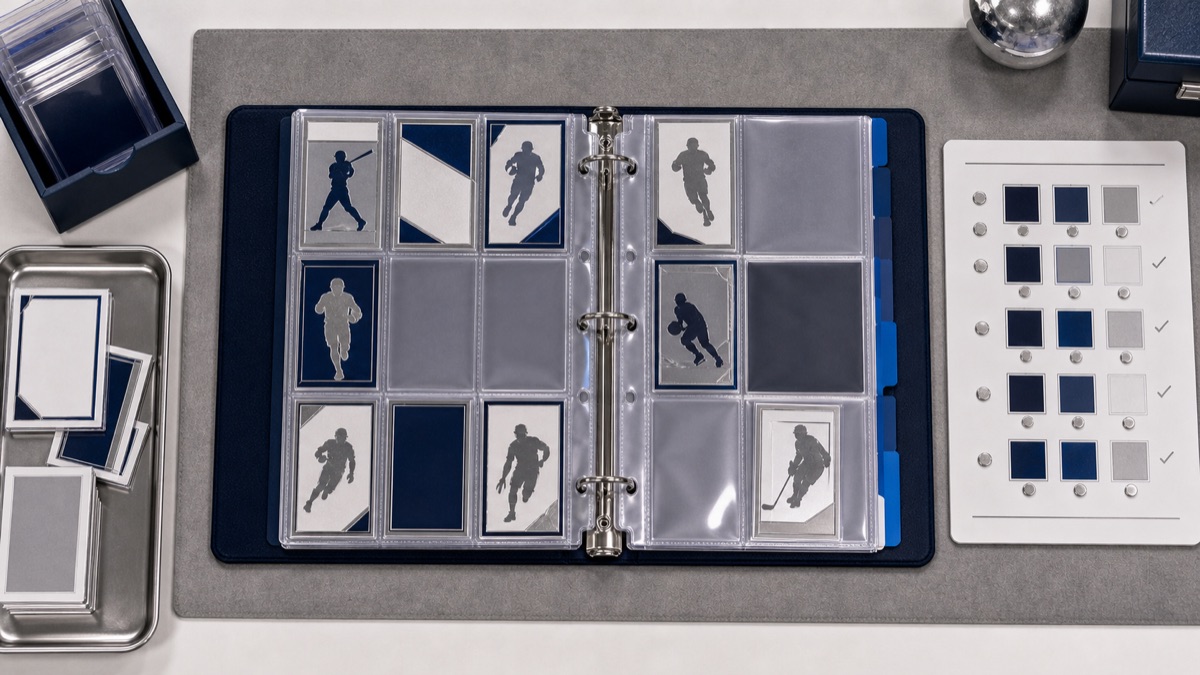
A sports card checklist is the roadmap for a release, showing which cards exist, how they are numbered, and where base cards, inserts, parallels, rookies, and variations fit. If you want to identify a pull or build a set, the checklist is where we start.
Without a checklist, collectors end up guessing. With one, you can confirm whether a card is part of the main set, a subset, an insert, a short print, a parallel, or a format-exclusive card.
What a sports card checklist tells you
A checklist usually lists the cards in a product by card number, player, team, subset, insert theme, autograph set, memorabilia set, parallel tier, and sometimes stated odds or serial numbering. The amount of detail varies, but the purpose is always the same: it helps collectors identify what exists.
The checklist is especially useful when a product has multiple formats. Hobby, retail, jumbo, blaster, mega, and online-exclusive formats may not include the same cards. Before chasing a card from sealed product, confirm that card is available in the box format you are buying.
This is also how we separate similar-looking cards. A base card, image variation, short print, and parallel can share the same player and design family, but the checklist shows which version you actually have.
- Card number: the fastest way to locate a card in the product.
- Player and team: useful, but not enough by itself for exact identification.
- Set name: the product line and year the card belongs to.
- Subset or insert name: a themed section inside or alongside the main set.
- Parallel name: the color, pattern, finish, or serial-numbered version.
- Format notes: whether certain cards are hobby-only, retail-only, or exclusive elsewhere.
Base sets, subsets, and insert checklists
The base set is the main numbered run of a product. It is the backbone of the release and the part most set builders start with. Base cards are usually easier to find than inserts, parallels, autographs, or short prints, though demand can still be strong for key rookies and stars.
A subset is a smaller theme inside the broader release. Sometimes subsets are numbered as part of the base checklist. Other times they feel more like inserts. The product's numbering system usually tells you how the maker wants collectors to treat them.
An insert checklist is usually separate from the main base set and may have its own numbering prefix. Inserts can be common, scarce, case-hit style, or parallel-driven. For a deeper look at this language, read card parallels explained.
- Base set: the main checklist, often numbered in a simple sequence.
- Subset: a themed group that may sit inside the base set.
- Insert set: a separate themed checklist with its own design.
- Autograph checklist: cards signed by players, legends, or other subjects.
- Memorabilia checklist: cards containing relic, patch, or equipment-style pieces.
How checklists help identify rookies and variations
Rookie identification is one reason checklists matter. Some products use official rookie logos, some include prospects, some include college or draft cards, and some release cards before a player reaches the major league stage. The checklist helps you understand what kind of card you are holding.
Variations are another reason to slow down. A variation may use a different photo, image code, pose, uniform, background, or back-of-card identifier. Some are announced clearly. Others are easier to confirm after collectors compare pulls and checklist notes.
If rookie labels are the main question, pair the checklist with our guide to why rookie cards matter. The most collectible rookie is not always the earliest card, and the earliest card is not always treated the same across every sport.
Set building as a collecting style
Set building is collecting the full checklist instead of only chasing the biggest single card. It can be simple, like completing a base set, or ambitious, like building a master set that includes inserts, parallels, short prints, and autographs.
The appeal is structure. A checklist gives you visible progress, duplicate tracking, want lists, and trade targets. It also keeps the hobby from becoming only about the biggest hit. Many collectors enjoy finishing pages, boxes, binders, or team runs because the goal is clear.
Set building works best when the target is realistic. A base set from an accessible release may be fun. A master set with rare parallels and one-of-ones may be practically impossible. Define the finish line before spending heavily.
- Base set: good starting point for beginners and family collecting.
- Team set: every card from one team in a release.
- Player run: every card of one player from a product or year.
- Insert set: all cards from one insert theme.
- Master set: base, inserts, short prints, and sometimes every parallel or autograph.
Using checklists before buying or trading
Checklists prevent duplicate buying and help you avoid mislabeled listings. Search by year, product, card number, player, insert name, and parallel. If a seller uses vague language, the checklist gives you a way to verify the card before paying.
This matters even more when buying lots. A lot may say it includes rookies, inserts, or short prints, but the checklist tells you whether those labels are accurate. It also helps you compare a raw single, a graded card, and a sealed-product chase without mixing up versions.
When you are filling gaps, our marketplace listings can be a better route than ripping another box for one missing card. For bigger collections, a simple spreadsheet or app can turn the checklist into a want list, duplicate list, and trade list.
Common questions about sports card checklists
Where do collectors find checklists? Collectors use manufacturer checklists, hobby database sites, box odds, card backs, and community-confirmed notes. For important cards, compare more than one source if the product has variations or late updates.
Is a checklist card the same as a sports card checklist? No. Some older sets include an actual printed checklist card. A product checklist is the full list of cards in the release. The words overlap, but the use is different.
Should you sort cards by checklist number or player? For set building, checklist number is usually best. For personal collections, player, team, or card type may be easier. If the collection is growing, read how to sort and catalog your collection before the piles get out of hand.
Ready to hunt?
Sports cards and collectibles — documented and carefully presented.