Vintage Programs: Paper Time Machines & Scorecards
July 9, 2026 · 6 min read · By BGLAD
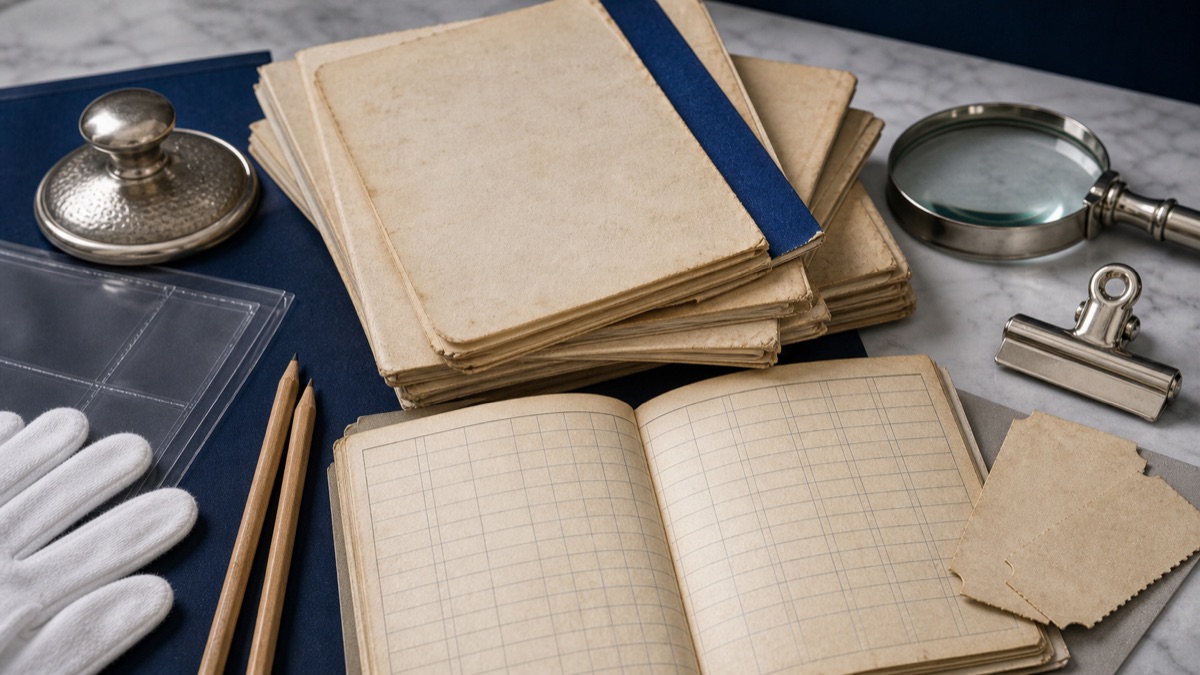
Vintage programs are printed game-day publications that capture lineups, rosters, ads, stadium context, and the fan experience around a specific event. Collectors value them because a program can feel like a paper time machine, especially when it is tied to a memorable game, venue, or athlete.
We look at programs and scorecards through two lenses at once: what happened at the event, and how well the paper survived. A common game in excellent condition and a key game with heavy wear can both be collectible, but they serve different kinds of buyers.
Vintage sports programs versus scorecards
The words program and scorecard often overlap, but they are not always the same object. A program usually includes articles, rosters, advertisements, photos, schedules, and team or venue information. A scorecard is built around recording the game. Sometimes the scorecard is a page inside the program. Sometimes it is a separate foldout, insert, or small booklet.
That difference matters because collectors ask different questions. With a program, we check whether the cover, roster pages, ads, and feature content are complete. With a scorecard, we also look at whether the scoring grid was used, whether lineups are written in, and whether the handwriting connects the object to the game being claimed.
Programs sit naturally beside ticket stubs because both can tie a collection to one date and place. Our ticket stub collecting guide covers the ticket side of that story, while programs add the larger printed record around the event.
Scored vs unscored programs and collector appeal
Unscored programs are often preferred by condition-focused collectors because the scorecard area remains clean. They can look sharper in a frame and may be easier to compare across examples. That said, unscored does not automatically mean better. A blank scorecard from an ordinary game may have less character than a neatly scored copy from a game collectors care about.
Scored programs can be excellent when the scoring is clear, period-correct, and connected to the game. A well-kept scorecard can show substitutions, runs, innings, final score, or names that help document what the attendee saw. Messy writing, unrelated notes, or later additions can hurt appeal, but honest period scoring is part of the charm for many collectors.
We ask whether the writing adds context or just damage. A scored grid that confirms the event can strengthen the piece. Random scribbles on the cover, clipped coupons, or heavy ink bleed through important pages usually work against it.
- Unscored appeal: cleaner presentation, easier framing, less writing, and stronger condition comparison.
- Scored appeal: real game context, fan participation, lineup details, and possible event documentation.
- Watch carefully: erased scoring, modern ink, copied lineups, inconsistent handwriting, and scorecards filled out after the fact.
- Best case: a complete program with neat period scoring and no major paper damage.
Key-game programs and event importance
Event importance can move a program from general paper collectible to a targeted sports artifact. Collectors search for debut games, final games, championships, playoff games, all-star events, record moments, stadium openings and closings, bowl games, and games tied to beloved local history. The more clearly the program identifies the date and event, the easier it is to understand.
We still separate the event from the object. A key game program with missing pages, a detached cover, heavy water damage, or poor restoration is not the same as a complete, stable copy. Conversely, a lesser game with a beautiful cover, strong player content, or unusual advertising can be more interesting than a rough key-game example.
If you are comparing programs to the broader memorabilia market, our how to value vintage memorabilia guide gives a useful framework: scarcity, demand, provenance, condition, and display appeal all have to be weighed together.
Paper condition standards for old programs
Paper condition is where many program deals are won or lost. A program can look fine in a quick photo and still have missing pages, brittle edges, tape repairs, detached staples, writing inside, trimmed borders, or coupons removed. We inspect from front to back, not just the cover.
Toning is normal on older paper, especially when stored in attics, basements, or old scrapbooks. The question is whether the paper remains flexible and readable. Brittle paper that flakes at the edge is more serious than even toning. Moisture staining can bring odor, waviness, mold concerns, and ink transfer. Tape repairs may feel helpful, but old adhesive often stains and becomes harder to reverse.
Completeness matters most. A clean cover cannot make up for missing roster pages if those pages are why the item matters. Before buying, ask for photos of the scorecard page, center spread, staples or spine, back cover, and any damaged area. For storage materials, our storing vintage materials article is the natural next read because paper needs stable support and low-acid surroundings.
- Cover: creases, tears, fading, stains, detached wraps, and writing.
- Interior: missing pages, clipped coupons, scorecard condition, loose inserts, and ink bleed.
- Structure: staples, spine splits, folds, brittleness, trimmed edges, and old tape.
- Odor and moisture: mildew smell, waviness, stuck pages, and discoloration that suggests damp storage.
Storing and buying vintage programs
Programs should be stored flat, supported, and away from heat, humidity, and direct light. Use appropriately sized sleeves, backing boards, folders, or archival boxes so the item does not slump under its own weight. Oversized programs should not be forced into small holders, and brittle examples should be handled as little as possible.
If you display a program, choose a page or cover that tells the story without stressing the spine. Framing an open program can look great, but it should be mounted so the paper is supported and not pressed hard against glass. Rotation is smart for light-sensitive paper.
When buying online, photographs matter. A seller should show the front, back, spine, scorecard, and any flaws. Our auctions are a useful place to watch how event description, condition notes, and photos create confidence before bidding.
Common questions about vintage programs
Are scored programs worth less? Not always. Scoring can lower appeal for collectors who want a clean copy, but neat period scoring can add context for a game-focused collector.
Should programs be graded? Sometimes, especially when authentication, resale confidence, or long-term protection matters. Many collectors still prefer raw programs because they can read and display them more naturally.
What is the safest way to handle old programs? Wash and dry your hands, support the whole item, turn pages slowly, and stop if the paper feels brittle. For fragile pieces, photograph once and store them so you do not have to handle them repeatedly.
Ready to hunt?
Sports cards and collectibles — documented and carefully presented.