Cut Signature Cards: History in a Card Window
July 9, 2026 · 6 min read · By BGLAD
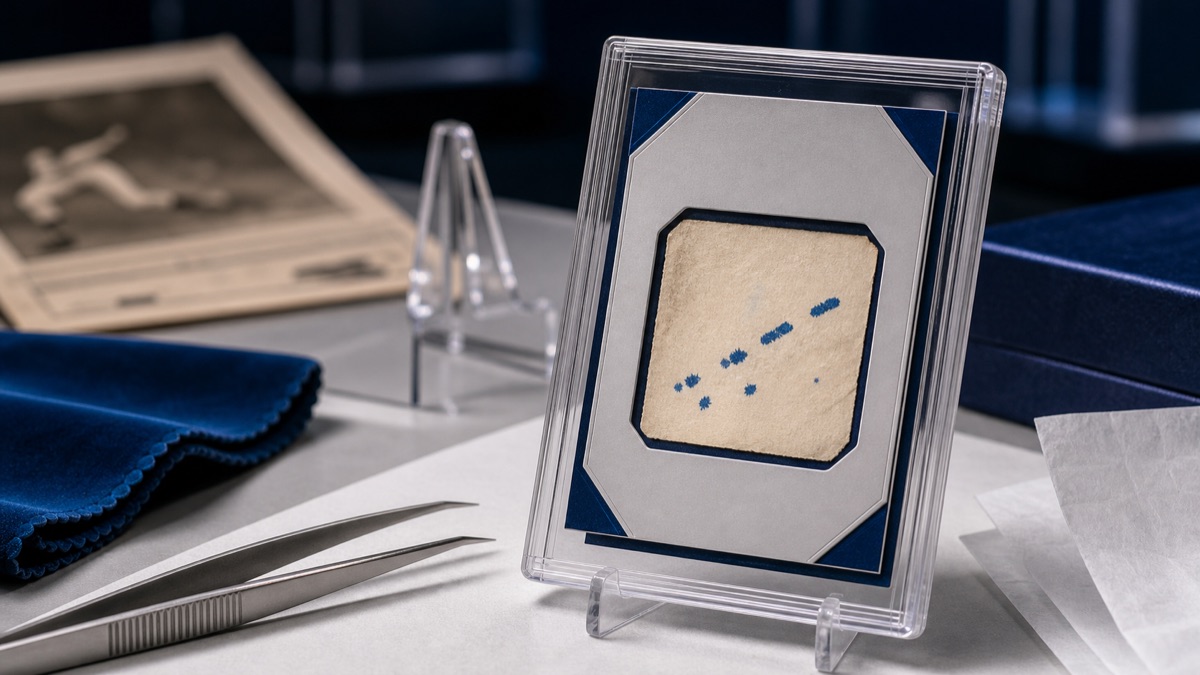
Cut signature cards are trading cards built around an autograph that was cut from another signed item, then mounted behind a window in the card. They exist because some signers are deceased, unavailable, or historically important enough that a card company cannot get fresh on-card autographs.
We like cut autographs when the card is honest about what it is and the signature is attractive, authenticated, and responsibly sourced. The card window can make history easier to collect, but it also creates questions a buyer should ask before paying a premium.
What cut autograph cards actually contain
A cut autograph is not a sticker autograph and not an on-card autograph. The signature started on another object, such as a check, index card, album page, letter, contract, program, photograph, or other signed paper. A portion of that object was trimmed and placed into a card design.
The best cut signature cards show a complete, natural autograph with enough surrounding material to make the cut look intentional. A cramped window, clipped letter, missing last name, or oddly angled piece can hurt eye appeal even if the signature is genuine. Collectors are buying both the autograph and the presentation.
This is why cut signatures sit in their own lane. Our on-card vs sticker autograph guide explains how modern signed cards are produced, but cuts are different because the signing moment happened before the card existed. The card is a display vehicle for an older autograph.
Why card makers use cut signature cards
Card makers use cuts when direct signing is impossible or impractical. Deceased athletes, retired legends, executives, broadcasters, team owners, and figures from older eras may never have signed modern cards. A cut autograph lets collectors own a certified card connected to that person without pretending the signer sat down with the finished product.
Cuts also let a set tell a broader story. A modern release can include players from early professional eras, Hall of Fame names, or people tied to a franchise's history. That is useful for collectors who like cards as a format but want memorabilia with more historical texture.
The tradeoff is that every cut carries a past life. A signature taken from a check feels different from one taken from a personal letter. A bold full-name cut from an album page may display better than a rushed legal signature from a financial document. The source object can influence both ethics and value.
Sourcing ethics for historical autographs
The uncomfortable part of cut signatures is simple: something was cut. Sometimes that is reasonable. Damaged album pages, detached scraps, incomplete documents, and common signed slips may be better preserved inside a card than left loose in a drawer. Other times, collectors can fairly question whether an intact historical document should have been destroyed for a smaller display piece.
We do not think every cut autograph is unethical. We do think buyers should care about context. If the original item had independent historical, family, or research value, cutting it down may have removed information that mattered. If the original item was already partial, damaged, or ordinary, the card may be a practical way to protect and enjoy the signature.
Ask what is known, and notice what is not said. A card may identify the signer but not the original source. That is common, but it means the buyer should judge the visible autograph and the card company's certification without inventing a better backstory.
- Best-case source: a complete autograph from an already separated or low-context signed piece.
- More sensitive source: a personal letter, team document, or historically meaningful item that may have told a larger story.
- Presentation issue: a signature trimmed so tightly that the cut looks damaged or incomplete.
- Collector decision: decide whether the sourcing feels acceptable before the price talks you into it.
How cut signatures are authenticated
Authentication starts with the autograph itself. Examiners look at handwriting characteristics, ink flow, pressure, spacing, speed, and comparison examples, just as they would with a signed photo or ball. Our autograph authentication guide covers that process in more detail.
A certified cut signature card can add another layer because the manufacturer is saying the autograph was selected and inserted as part of the product. That does not make every card equally desirable, but it does tie the signature to a numbered card, checklist, and production record instead of a loose paper scrap.
Third-party authentication may still matter, especially for aftermarket cuts, older releases, or expensive pieces where a buyer wants another opinion. The most reassuring examples have a clear card label, a complete visible signature, a respected authentication path, and no signs that the window or card has been tampered with.
What drives value in cut signature cards
Value starts with the signer. A widely collected athlete, scarce autograph, important era, or strong player collector base can matter more than the technical format. After that, collectors look at signature quality, card design, window size, numbering, condition, and whether the autograph is cleanly centered.
Eye appeal is especially important. A low-numbered cut can still feel weak if the signature is faint, chopped, or trapped in a tiny window. A less rare card can be more satisfying if the autograph is bold, complete, and easy to display.
Condition is also split between card and cut. The card can have corner wear, surface marks, or holder issues. The cut can have toning, folds, stains, cancellation marks, or ink fading. Some age is normal on historical paper, but damage that interferes with the signature usually matters. When we list signed material in our marketplace listings, we try to describe the visible signature first because collectors should not have to guess from the headline.
Common questions about cut signature cards
Are cut signature cards better than signed photos or balls? Not automatically. They are better if you want a card-format collectible with a certified autograph. A full signed photo, program, or document may offer more original context, while the cut card may be easier to store, grade, and compare.
Should a cut signature card be graded? Sometimes. Encapsulation can protect the card and make resale easier, but grading does not improve a weak cut. First decide whether the autograph itself has the eye appeal, authenticity, and source comfort you want.
Do cuts belong in a player collection? They can, especially for athletes who did not sign modern certified cards. For living players with many on-card autographs available, a cut usually needs a special reason to beat a clean certified auto.
Ready to hunt?
Sports cards and collectibles — documented and carefully presented.