Slab Label Error: Reholders, Typos, and Wrong Cards
July 9, 2026 · 5 min read · By BGLAD
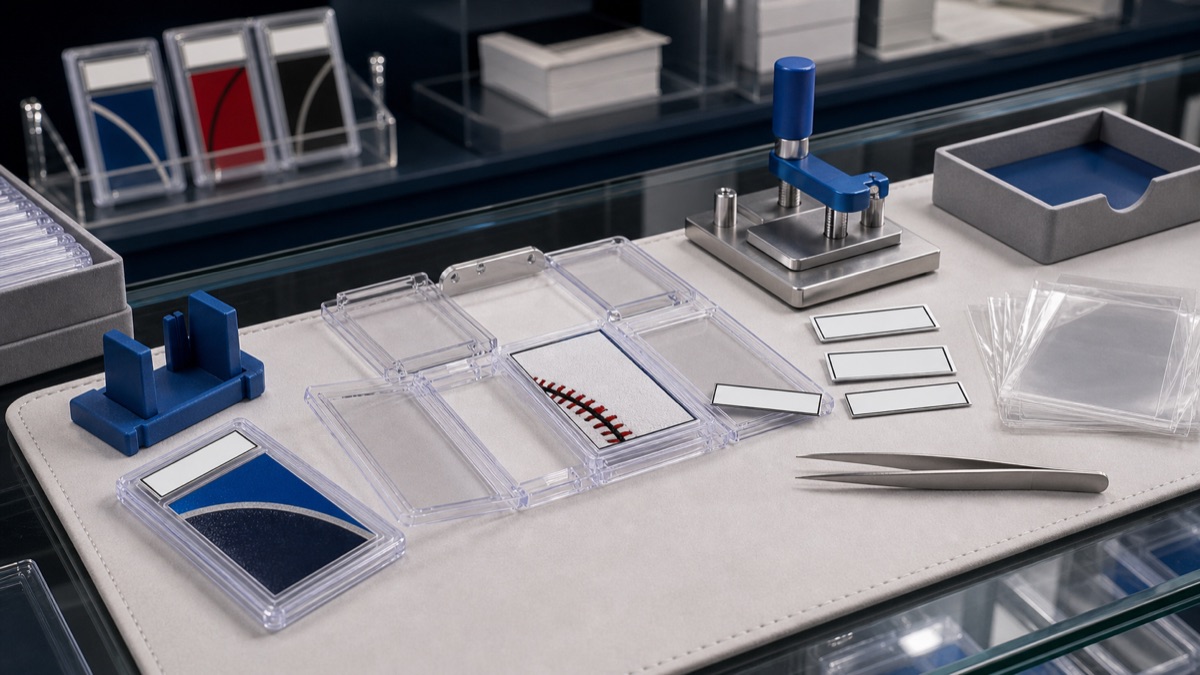
A slab label error is a mistake on the grading label or holder, not a new feature that automatically makes a card valuable. The right move is to verify the card, document the issue, and decide whether correction, authentication review, or selling as-is makes the most sense.
Most label problems are boring. A few are interesting. The difference matters because a harmless typo, a cracked case, and a wrong-card-in-slab situation are completely different problems.
What counts as a slab label error
A true slab label error is mechanical: the card and the holder do not line up with the label information, or the physical holder has a problem that needs service. That can include a misspelled player name, wrong set year, missing variation note, incorrect card number, wrong team, wrong autograph notation, or a label that belongs to a different card.
Collectors sometimes use one phrase for all of these issues, but the market does not treat them equally. A minor spelling mistake usually affects presentation and buyer confidence more than value. A wrong-card-in-slab case is rarer and more serious because the label may be identifying a card the holder does not contain.
Before you assume a slab is special, slow down and check the basics. Compare the card to a checklist, inspect the cert lookup if the company provides one, and verify the card itself against known examples. Our guide to spotting fake cards and slabs is a useful first pass when something looks off.
- Label typo: the slab is probably legitimate, but the printed information has an error.
- Mechanical error: the grading company made a holder, label, or data-entry mistake.
- Reholder issue: the case is cracked, scratched, loose, or needs a new shell.
- Wrong-card-in-slab: the card inside does not match the label, which needs careful verification.
Cracked case reholders and holder damage
A cracked case is usually a protection problem, not a grading opportunity. If the card is still sealed, undamaged, and correctly labeled, a reholder service may replace the outer case while preserving the assigned grade. Each company has its own rules, fees, and submission process, so read the current instructions before shipping anything.
The key question is whether the holder damage could have affected the card. A small corner chip in the plastic is different from a split seam, loose insert, or case impact near a card corner. If the slab has pressure marks, plastic shards, moisture exposure, or movement inside the case, treat the card as at-risk until reviewed.
Do not crack a case just because it looks bad. A bad holder can still protect the grade record, while a raw card has to survive handling, packaging, and another review. If you only need a cleaner presentation, compare that cost to the card's value and to alternatives in our current graded slabs.
- Photograph the front, back, edges of the holder, label, and certification number.
- Check whether the card moves inside the slab.
- Keep broken plastic away from the card surface.
- Use the grading company's reholder or mechanical-error process, not a do-it-yourself fix.
Label typos, wrong years, and card number mistakes
Most label typos are not windfalls. Buyers may hesitate because the slab looks sloppy, search results may miss the card, and future resale can require extra explanation. If the typo is obvious and the card is not highly valuable, the cheapest answer may be to leave it alone and disclose the issue clearly when selling.
Wrong years and wrong card numbers deserve more attention because they can point to a variant or checklist confusion. Many sets have similar designs, update releases, traded sets, regional issues, parallel numbering, and image variations. A label can be wrong, but a collector can also misread the card.
This is where checklist work matters. Use the visible card number, copyright line, set design, team, image, and parallel markers before you decide the grading company made the mistake. If the issue involves a variation or parallel, our article on understanding card parallels and inserts can help you separate a real label problem from normal set complexity.
Wrong-card-in-slab rarities and real risk
A wrong-card-in-slab case gets attention because it is visually dramatic: the label says one thing and the card shows another. That does not make every example valuable. Some buyers collect oddities, but many serious collectors avoid them because they create authentication, resale, and platform-description risk.
If the card is expensive, assume the issue needs documentation before anyone should pay a premium. Save screenshots of the certification page, take clear photos, and contact the grading company. If the cert image, population listing, or grade data does not match the physical holder, let the company respond in writing before treating the slab as a collectible error.
Be especially careful with altered labels, tampered cases, or suspicious holders. A slab can be wrong because of an innocent mechanical error, but it can also be a sign of fraud. Our grading company overview explains why holder familiarity, cert verification, and company process all matter.
- Verify the certification number through the grading company.
- Compare the holder style to known examples from that company and era.
- Do not pay an error premium unless the slab is clearly legitimate.
- Get the grading company involved before cracking, reselling, or submitting elsewhere.
Common questions about mislabeled slabs
Should you fix every slab label error? No. Fix the errors that materially affect identification, trust, protection, or resale. A minor typo on a low-value card may not justify fees and shipping, while a wrong set, wrong card, or damaged holder usually deserves action.
Can a slab label error make a card more valuable? Sometimes a small group of collectors likes unusual grading mistakes, but that demand is thin and inconsistent. Treat any premium as uncertain, not automatic, and price the underlying card first.
What should you do before selling one? Disclose the exact issue, show clear photos, and avoid describing the label as proof if the card contradicts it. If you plan to sell or consign, our sports card selling guide covers the same principle: fewer surprises make better transactions.
Ready to hunt?
Sports cards and collectibles — documented and carefully presented.