TTM Autographs: Through the Mail Collecting Basics
July 9, 2026 · 5 min read · By BGLAD
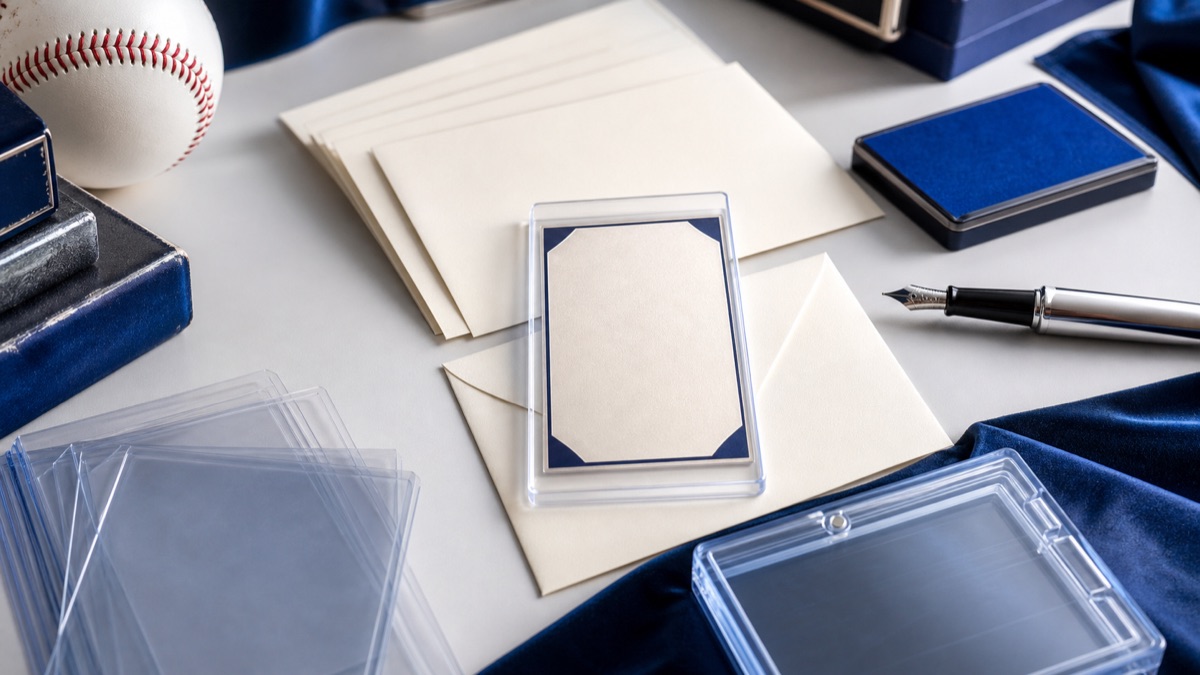
TTM autographs are signatures requested through the mail by sending an item, a short letter, and return postage to an athlete, coach, broadcaster, or other signer. The system is simple, but success depends on respect, preparation, patience, and accepting that nobody owes a collector a response.
We like through-the-mail collecting because it keeps the hobby personal. A returned card or photo can feel more connected than something bought finished, as long as the collector treats the process as a request rather than a demand.
How TTM autograph collecting works
A basic TTM request has four parts: the item you want signed, a brief letter, a self-addressed stamped envelope, and an outer mailing envelope. You send the package to a mailing address that collectors believe reaches the signer, then wait. If the signer chooses to respond, the item comes back in your return envelope.
Addresses can come from team facilities, public business offices, retired-player mail services, paid signing announcements, collector reports, or other public contact points. The quality of the address matters, but so does timing. Active players may be hard to reach during a season. Retired athletes may answer in batches. Some sign generously, some sign only certain items, and some do not sign by mail at all.
TTM is different from getting autographs in person because you are not controlling the moment. You cannot hand over the pen, point to the signing spot, or protect the item immediately after it is signed. That makes item choice, pen expectations, and return packaging more important.
Writing a good TTM autograph letter
The best TTM letters are short, sincere, and easy to answer. We would rather see three clean sentences than a full page that makes the signer work. Say who you are, why you appreciate the person, what you are asking them to sign, and thank them whether they can help or not.
Avoid language that sounds like resale inventory. Asking for a stack of items, requesting inscriptions that turn the letter into a checklist, or writing as if the signer is obligated to respond all make the request weaker. The letter should feel like a collector talking to a person, not a form submission.
- Keep it personal: mention a memory, team, season, broadcast, or card that actually connects to your collection.
- Keep it brief: one small paragraph plus a clear thank-you is usually enough.
- Make the request obvious: name the enclosed item and where you hope it can be signed.
- Do not pressure: let the signer decline, keep, or return the item without making the exchange uncomfortable.
- Write legibly: if the return address or request cannot be read, the rest of the effort may not matter.
SASE mechanics, postage, and mailing supplies
SASE means self-addressed stamped envelope. For TTM collecting, it is the return envelope you include so the signer does not have to pay postage or figure out where to send the item. Put your own address on the return envelope, add enough postage, and make sure the item fits without bending.
For cards, many collectors use a penny sleeve, a semi-rigid holder or top loader, and a return envelope with light cardboard protection. Do not tape the card into a trap that the signer has to fight. Painter's tape or a pull tab can help, but the whole package should be easy to open and easy to return.
Photos, programs, balls, pucks, and larger items need more planning. A small photo mailer may work for flat items. A ball or puck needs a box, padding, and enough return postage. If the return package is awkward or underpaid, the signer may skip it. Our shipping sports cards safely guide covers many of the same protection habits, even though TTM packages are usually lighter and simpler.
TTM success expectations and patience
The hardest part of TTM autograph collecting is accepting uncertainty. Some requests come back quickly. Some come back months later. Some return unsigned. Some never return. That is not automatically a bad address or a rude signer; it is part of a collecting method built on voluntary responses.
We recommend sending items you can afford to lose. That does not mean the item has to be worthless, but it should not be your only important rookie card, your favorite childhood photo, or anything you would be upset to never see again. If an item is valuable enough that losing it would hurt, buy an already signed example or use a witnessed signing instead.
Records help. Keep a simple log with the signer, item, address source, date sent, date returned, result, and any notes. Over time, the log teaches you which kinds of items work for you. It also helps if you later explain provenance to another collector. If resale is part of your plan, remember that a self-obtained TTM autograph may still need the kind of review discussed in our autograph authentication guide.
If you would rather buy finished signed items than wait on the mailbox, compare authentication status, ink quality, and item condition in our marketplace listings before deciding what fits your collection.
Common questions about TTM autographs
Are TTM autographs real? Many are real, but the method does not guarantee that the named person signed the item. Some public figures use assistants, clubhouse help, secretarial signatures, autopen, or printed responses. That is why the returned item still has to be judged on the signature, the signer, the address, and the collector history around that person.
Should you send a pen with a TTM request? Usually, only if the surface needs a specific pen and you are comfortable losing it. Cards and photos may come back in whatever marker the signer has nearby. Baseballs are a special case because many collectors prefer ballpoint pen, but you still cannot force the signer to use it.
Does TTM add value? It can, especially when the autograph is clean, desirable, and believable, but value is not the main reason to do it. TTM is strongest as a personal collecting lane. Protect the returned item from light and handling, because ink damage is covered in more detail in our autograph fading guide.
Ready to hunt?
Sports cards and collectibles — documented and carefully presented.