Sell at Card Shows: Table Strategy 101
July 9, 2026 · 5 min read · By BGLAD
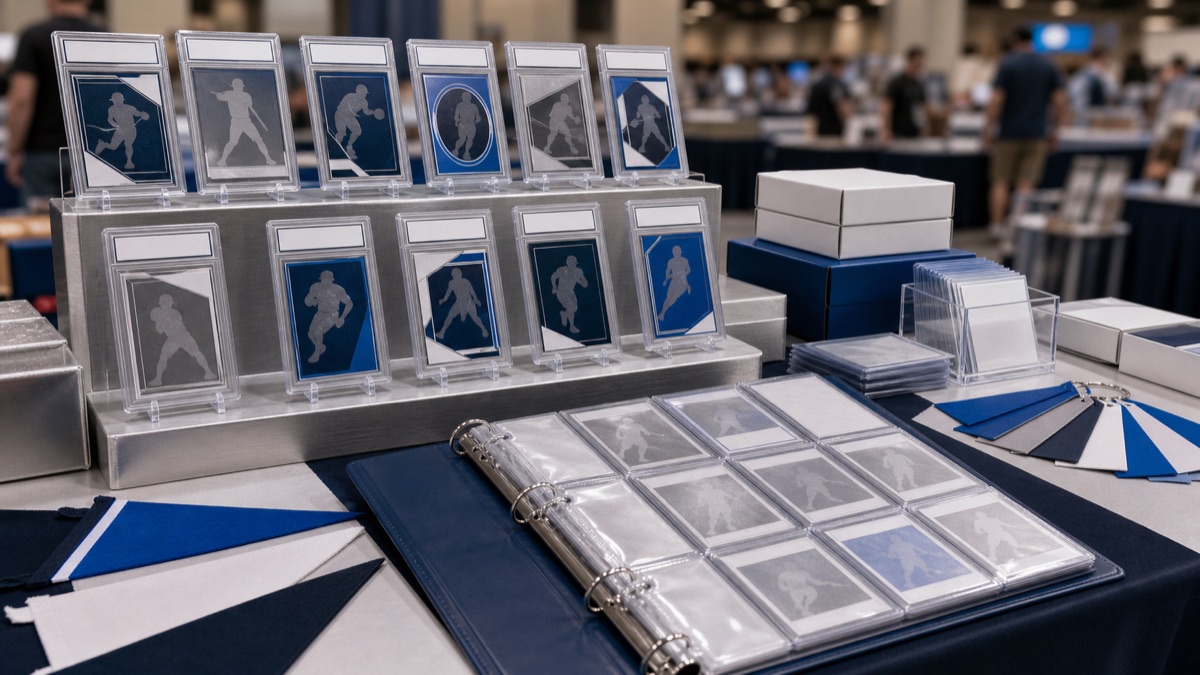
To sell at card shows, build a table that shoppers can understand quickly, price for the room, and keep negotiation simple. The best setup helps buyers find a lane without asking you to explain every box.
A show table is different from an online store. People are walking, comparing, carrying cash, and making decisions in public, so your job is to reduce friction and make the good cards easy to see.
Set up a sports card show table for scanning
Most buyers decide in seconds whether to stop. Put your clearest inventory where eyes naturally land: showcase cards up front, bargain boxes easy to reach, and signage simple enough to read while moving. A crowded table can look impressive, but it often slows shoppers down.
Group cards in ways buyers already think. Sport, player, team, era, price point, grade, and type all work. Mixing everything together may create treasure-hunt energy for some collectors, but it also makes many buyers leave before they find the right stack.
Bring the basics: clean table covering, price stickers, team bags, top loaders, sticky notes, pens, cash bank, charger, and a secure way to store higher-value cards. If you are new to the floor as a buyer too, our card shows for beginners guide explains how shoppers read the room.
- Keep high-end cards visible but controlled.
- Label bargain boxes by price and theme.
- Put raw cards in sleeves and keep slabs clean.
- Leave enough open space for buyers to review cards safely.
- Keep personal food, bags, and clutter off the selling surface.
Price cards for the room, not just the internet
Online comps matter, but a card show has its own rhythm. Buyers are comparing your table with the next aisle, carrying finite cash, and often looking for a reason to bundle. If every card is priced at the highest active online ask, the table may feel like a museum.
Sticker more cards than you think you need to. Unpriced inventory can work for elite cards or dealer-to-dealer conversations, but it creates friction for everyday buyers. A visible price gives someone permission to start the conversation without asking what every card costs.
Build your pricing around a range, not a single magic number. Use recent sold comps, condition, demand, and how badly you want to move the card. Our how to price your cards article gives the broader pricing routine before you tape numbers to boxes.
Use a negotiation flow that keeps buyers engaged
Negotiation works best when both sides know what is being discussed. Let the buyer make a stack, confirm the cards, then price the lot as a lot. If you quote each card, write it down or keep a running total so nobody has to remember numbers from ten minutes ago.
Do not treat every offer as a fight. Some buyers are testing flexibility. Some are working from real comps. Some are trying to buy enough that a discount makes sense. Your job is to know your floor and respond without making the table uncomfortable for everyone nearby.
Bundling is usually the cleanest way to create movement. You may not want to discount one liquid card, but a stack that includes slower inventory can justify a better number. For deal language and boundaries, see our guide to negotiating card deals.
- Ask whether the buyer is building a stack before quoting a final number.
- Know which cards have no-discount prices.
- Use round numbers when it makes checkout easier.
- Do not argue with comps that are close enough to be fair.
- Let buyers walk without turning the conversation sour.
Handle cash, payment apps, and security calmly
Cash is fast, but it needs structure. Start with a bank of small bills, keep paid money separate from personal spending money, and record bigger sales as they happen. At a busy table, memory is not a bookkeeping system.
Payment apps can help with larger deals, but confirm receipt before the buyer leaves. If fees, holds, or payment type matter to you, say that before agreeing on the final number. Clear terms prevent awkward moments after the handshake.
Security is mostly routine. Keep showcases closed when you are distracted, do not leave high-value cards loose during a rush, and avoid letting too many people handle expensive cards at once. If a deal feels rushed in the wrong way, slow it down.
Know what moves at card shows
What moves depends on the room. Local teams, affordable stars, rookies people recognize, clean slabs, bargain boxes, and fresh inventory often get attention because shoppers can understand them quickly. Niche cards can sell too, but they need the right buyer to stop at the right moment.
Bring different lanes. A table with only expensive slabs can miss casual buyers. A table with only dollar cards can miss collectors ready to spend. A healthy spread gives more people a reason to pause, and it gives you more ways to bundle.
Shows are also useful market research. Listen to what people ask for, which boxes they skip, and which prices create conversation. If you decide you would rather sell outside the room, our sell and consign page lays out other ways to move cards without running a table yourself.
Common questions about selling at card shows
How much inventory should you bring? Bring enough variety to fill the table without making it impossible to manage. If you cannot watch it, price it, or explain it, the extra inventory may be hurting more than helping.
Should every card have a sticker price? Not every card, but most shopper-friendly inventory should. Priced boxes invite browsing. Unpriced boxes ask the buyer to start a negotiation before they know whether the table fits their budget.
What should you do after the show? Count cash, reconcile payment app sales, note what moved, note what stalled, and adjust the next table. Treat each show as a test of inventory, pricing, and setup.
Ready to hunt?
Sports cards and collectibles — documented and carefully presented.